
Wall insulation in Columbia MO - finished walls filled without tearing them out
Cold outside walls and drafty corner rooms usually mean empty wall cavities. We fill them through small holes and patch them afterward.
- Licensed and insured.
- Free estimates at your property.
- We reply within 1 business day.
How do you insulate walls that are already finished?
Wall insulation in Columbia, MO, for a finished house usually means drill and fill, where we make small holes near the top of each wall cavity, from inside or outside, and blow insulation in until the bay is full, so your walls stay up and the rooms along them stop running cold.
Most wall calls come from older houses where the outside walls feel cold to the touch and the rooms along them never get comfortable, even after the attic's been done. At Heatwise Columbia Insulation Company, we're based in Columbia and do this work across the area, including Jefferson City, Fulton, Moberly, Boonville and the cities around them. The price mostly follows how many outside walls need filling, how tall the house is, whether we drill from inside or through the siding, and how much tile, cabinetry and trim sits in the way. The schedule turns on anything that has to be fixed first, like a leak that's soaked a wall, and on how much patching comes after. Your written estimate lists which walls, which material and each step, so you see the figure for your own house.
How can you tell your walls need insulation?
Outside walls feel cold
Put your hand on an outside wall on a winter night and then on an inside wall, and the outside one is noticeably colder. That usually means the cavity is empty or the old insulation has slumped, and every winter you wait, the furnace keeps making up the difference on your power bill.
Drafts at outlets and switches
You feel cold air around the outlet covers and light switches on outside walls. Open stud bays let air move freely inside the wall, so the draft won't go away on its own and usually gets worse as the house ages.
Corner rooms never even out
The bedroom with two outside walls is hot in July and cold in January, no matter where you set the thermostat. When the walls have little or nothing in them, that room fights the weather all year, and turning the system up only runs the bill higher.
Work that often goes with walls
Air sealing services
Filled walls still leak where they meet the foundation, the floors and the roof, and sealing those seams is what actually stops the draft.
Basement insulation
If your floors stay cold after the walls are done, the heat is usually slipping out below you, through the basement walls.
How we handle wall insulation
Before anyone drills, I walk the outside walls with you and find out which ones hide heating ducts, cabinets or bathroom tile, because a wall that carries air for the furnace has to stay empty, and built-ins and tile change where the holes can go. Then we talk through whether to fill from inside or outside and exactly how each hole gets patched, so you know what the wall will look like when we leave. On the day, our crew drills near the top of each cavity, gives built-ins their own holes since they split a bay in two, fills the hard spots over doors and around windows that are easy to miss, and then plugs and patches every hole.
Packed walls slow the air moving inside them, but the insulation stays within the stud bays, so the leaks at the rim joist, the board sitting on top of your foundation, between floors and where the walls meet the roof are still there. That's why I often pair wall work with air sealing services for those seams, and with basement insulation when the cold is coming up through the floor.
Filling from inside
This is the side I lean toward when we can get to the walls, because the siding and the water-shedding layer behind it, called the drainage plane, stay untouched. The trade-off is patching and paint inside, so it fits best when you were planning to repaint anyway.
Filling from outside
This suits houses where the inside walls are tile, paneling or finishes you don't want touched. Drilling from outside cuts through the drainage plane, so that layer has to be patched or replaced before the siding goes back, and its condition helps decide whether this side makes sense.
Foam or batts in open walls
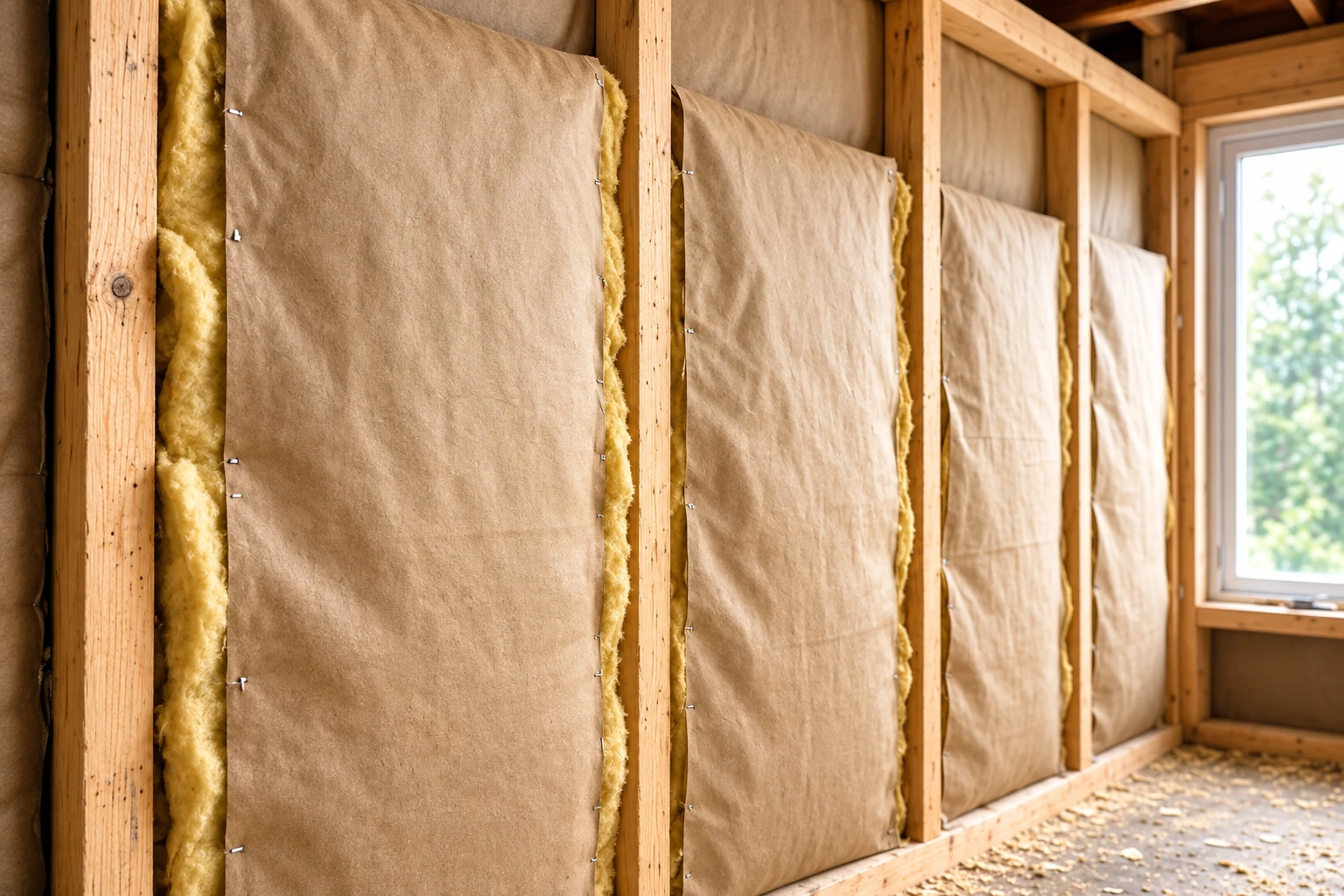
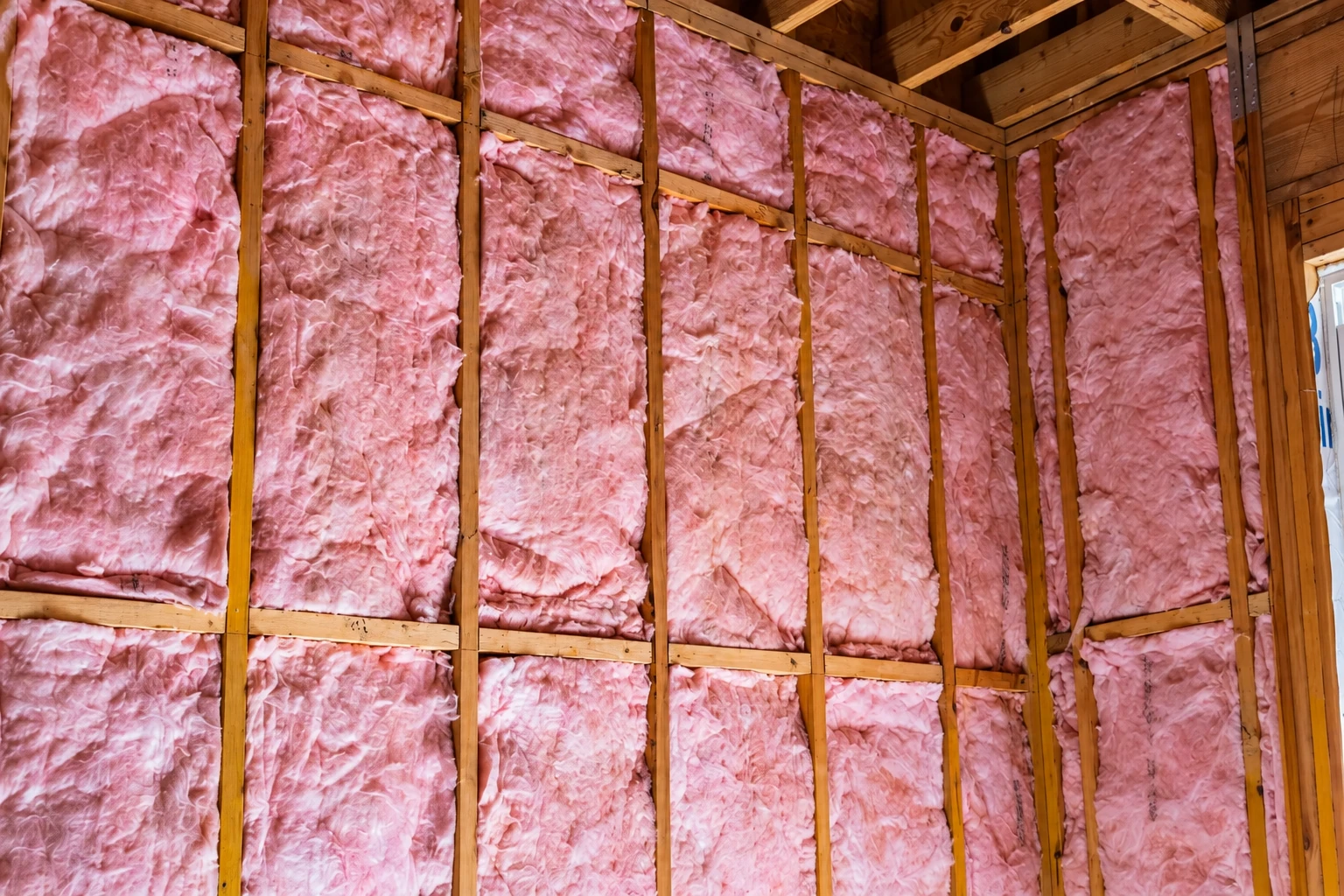
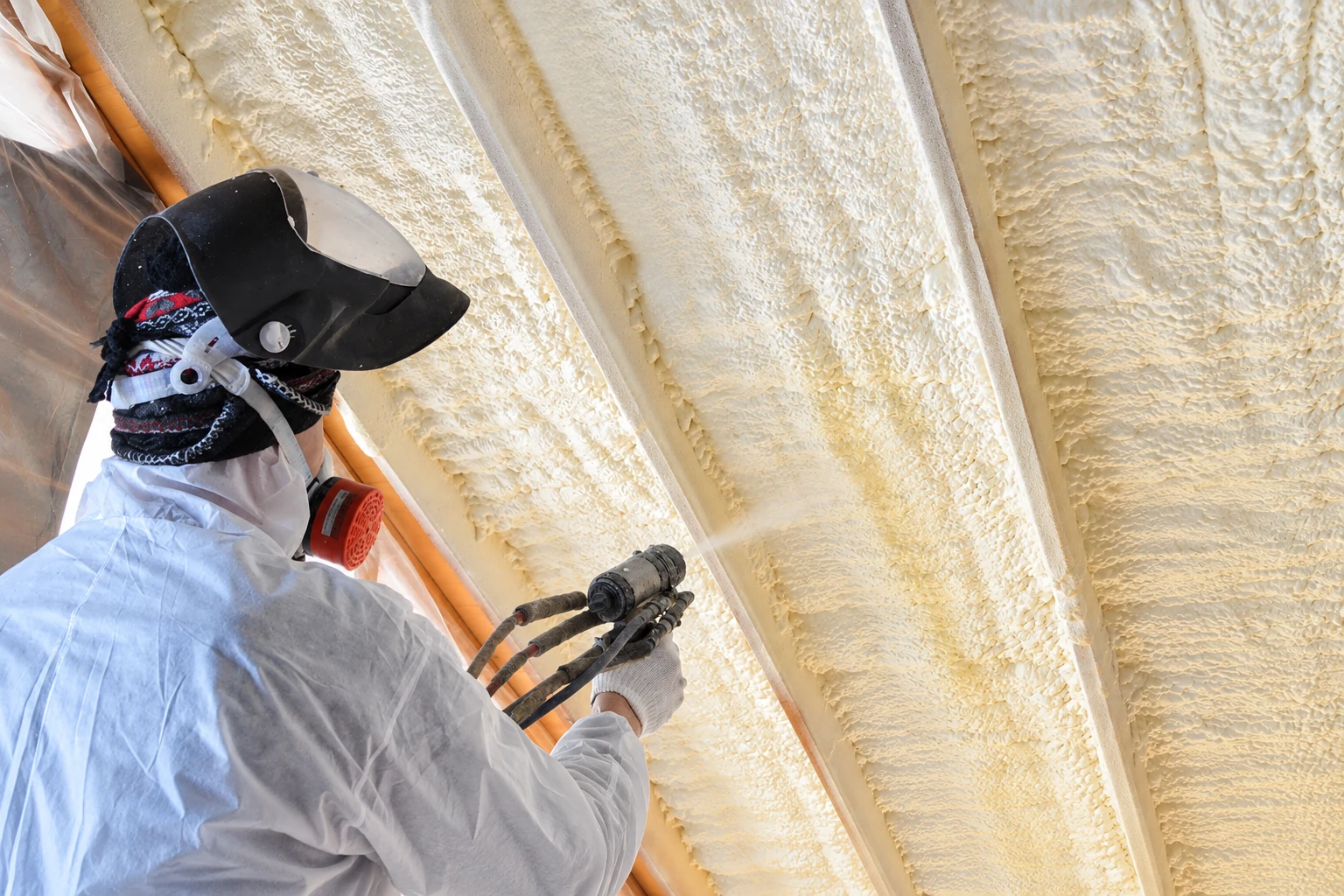
When a wall is already opened up for a remodel, spray foam seals air very well, and batts, the rolled insulation, are a low-cost choice where the stud bays are even in size. Foam costs more, so I'd only push it where stopping air matters most.
Get a written plan for filling your walls
Send the form and we'll reply within one business day to set up a free estimate at your house, with no obligation. If it's easier, call (573) 289-3994.
Call (573) 289-3994Why Columbia homeowners call us about their walls
The owner measures every wall
I come out myself to look at your walls, measure them and write the estimate, and our install crew works from that plan. The person who put a number on your job is the one who actually saw your house.
Estimates that name every wall
I sold insulation for another company before learning the install side and starting this business in Columbia in 2023, three years ago. Every estimate we write lists the areas, the materials and the steps, so you know what you bought and where it went.
Licensed and insured, every job
We're licensed and insured. That matters on a job where a crew is drilling into the walls of your house.
Ready for Boone County weather
Boone County sits in the mixed-humid climate zone, so walls here go through cold winters and muggy summers. Before we fill, I look for any sign water's getting into a wall, because insulation packed around a wet spot just holds the problem in.
On a wall job, the thing to settle first is which walls get filled and how the holes get closed up. Request your estimate or call (573) 289-3994 to get that started.
What happens after you call about your walls
Call or send a message
You call or send the form, and we get back to you to pick a time for the visit. Let us know which rooms sit on outside walls so I can plan where to look.
I measure and take photos
I measure the outside walls, take photos and note anything that has to be fixed before insulation goes in. If a leak needs repair first, I'll tell you that rather than cover it up.
You get a written estimate
The estimate lists each wall, the material, which side we fill from and how the holes get patched. You can see exactly what's driving the price before you decide anything.
Seal, fill, then walk through
If you go ahead, our crew seals the gaps first and fills the walls second. Then I walk the finished job with you and show you where each hole was.
Common questions
How much does it cost to insulate existing walls in Columbia, MO?
The cost comes down to how much outside wall we fill and how hard it is to get into. Tile, built-in cabinets, ducts in the walls, a second story and drilling through siding all add work, and an older house can add care around the patching. Your written estimate breaks it out wall by wall so you can see where the money goes.
Will blown-in insulation settle inside my walls?
Not when each cavity is filled completely and packed densely enough to resist settling. Blown in loose, it slumps and leaves gaps, while a tight fill reaches odd-shaped bays and the space around pipes and wires, which is why it suits closed walls.
What is the best way to insulate walls when replacing siding?
If the siding is coming off anyway, a continuous layer of insulation outside the walls, with the seams taped to stop air, costs only a little more than the siding by itself. Federal energy guidance says the energy payback often runs 5 to 10 years, and the comfort and quieter rooms show up right away. Tell me about siding plans before we fill anything so the two jobs fit together.
Does it matter if my Columbia house was built before 1980?
Yes, because national building guidance says to be aware of lead safety rules in homes built before 1980, depending on how much the work disturbs the walls. That goes for drilling from inside or outside, so the build year is one of the first things I ask, and it shapes where we drill and how we patch.
Can I get rebates for wall insulation in Columbia, MO?
You may, through a Columbia home energy program that starts with a whole-home assessment by a certified contractor, after which owners can qualify for rebates on improvements like air sealing and insulation. Since the assessment comes first, look over Columbia's home energy rebate guide before you schedule the insulation.
How long does blown-in wall insulation last?
Properly installed cellulose can work well for decades, according to the cellulose makers' trade group. What cuts that short is a wall that stays wet, so I'd rather get a leak fixed before we fill than seal the problem inside.
Get your outside walls measured and planned
Have the year your house was built, any plans for new siding and the rooms on outside walls in mind, and we can settle which side to drill from on the first visit.