
Crawl space insulation in Columbia MO - warmer floors over a drier crawl space
Cold floors or a musty smell from under the house? We seal and insulate your crawl space so floors feel warmer and framing stays drier.
- Licensed and insured.
- Free estimates at your property.
- We reply within 1 business day.
Should you seal your crawl space or keep it vented?
Crawl space insulation in Columbia means sealing the air leaks in the low space under your house and adding insulation there, so the floors above feel warmer and the wood underneath stays drier. The right plan depends on whether your crawl space stays vented or gets sealed, and that's the first decision we work through with you.
Most people call me because the floors are cold, the room over the crawl space smells musty, or they looked through the hatch and didn't like what they saw. The price moves with the size of the space, how hard it is to get into, whether old insulation and debris have to come out first, and whether we seal the space and insulate the walls or keep it vented and insulate under the floor. The schedule mostly turns on what has to be fixed before insulation goes in, like a plumbing leak or standing water, because I won't cover a wet problem with new material. Your own number comes from the written estimate after I've been under the house.
How do you know your crawl space needs insulation?
Cold floors in winter
If the floors over the crawl space feel cold underfoot, there's usually little or no insulation down there, or it has fallen away from the joists. Every month you wait, you're paying to heat air that slips out under the house.
Insulation hanging down
Batts sagging from the joists or lying on the dirt have usually soaked up damp air until they got too heavy to stay put. Wet insulation does very little, and it holds moisture right against the wood the longer it hangs there.
Musty smell or damp wood
A musty smell in the rooms above, or dark spots and beads of water on the joists in summer, usually means humid air is condensing under the floor. Left alone, that's how mold and soft, damaged framing get started.
Work that often goes with it
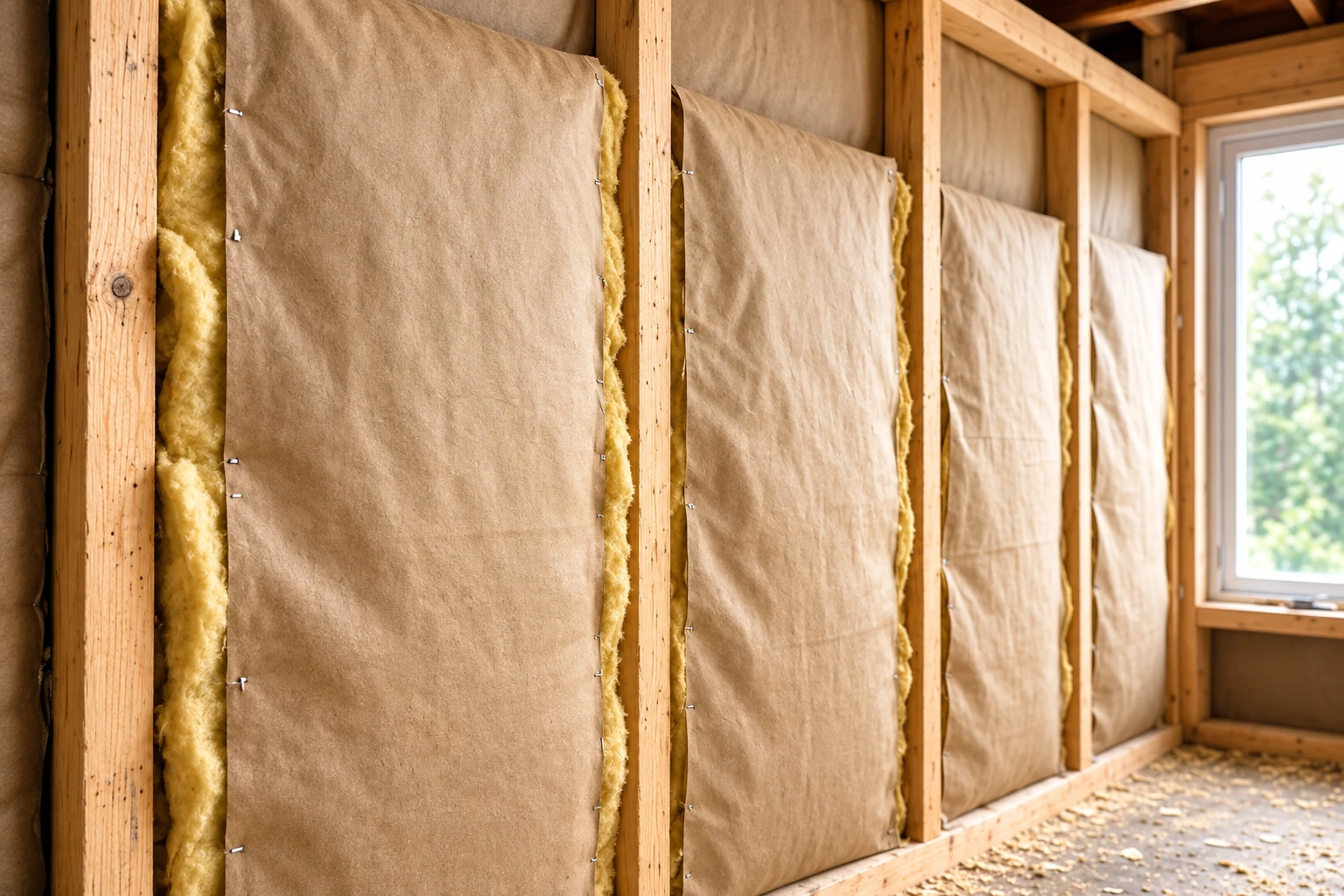
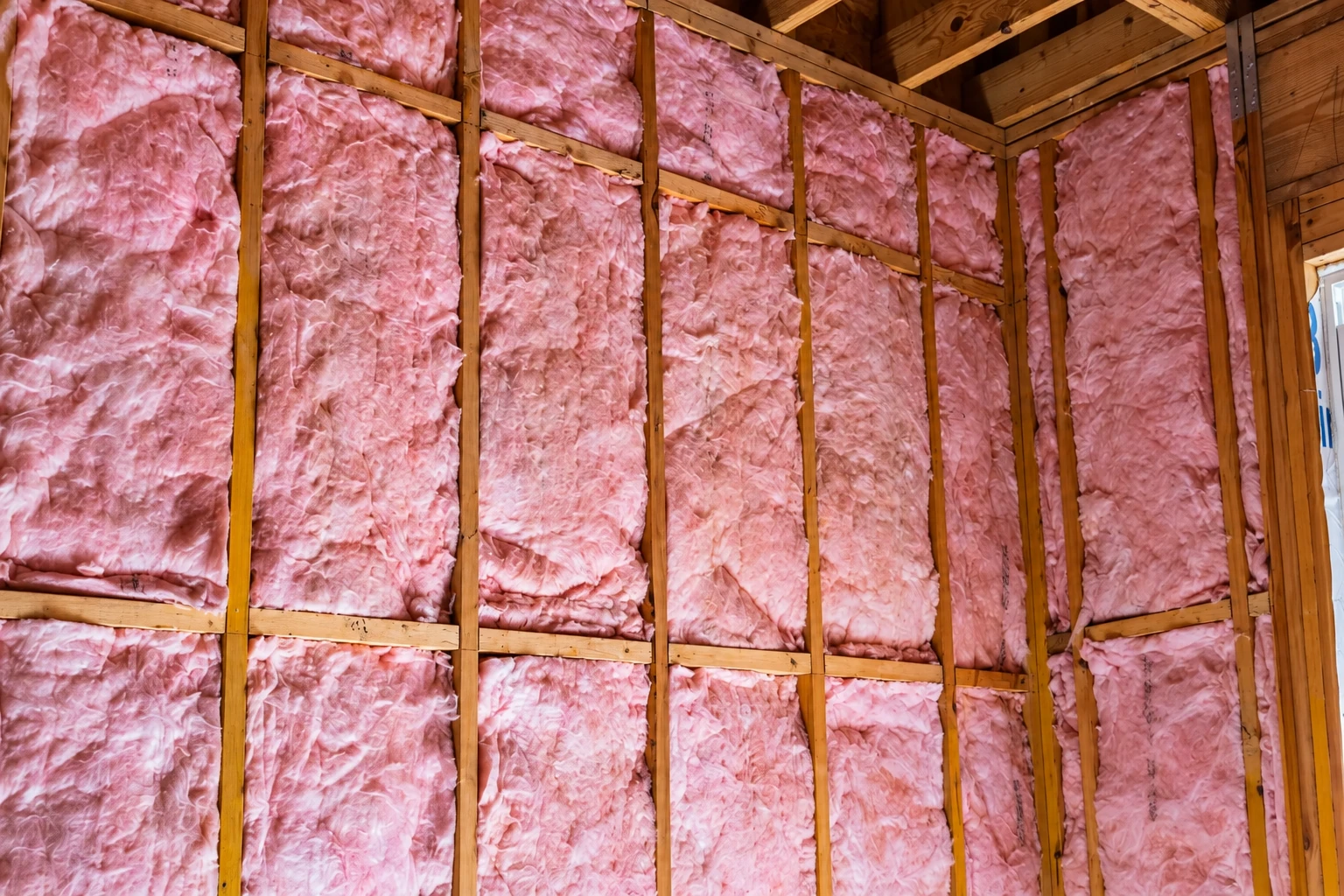
Wall insulation
If the rooms still feel drafty once the floor is warm, the outside walls are often the next place heat is getting out.
Air sealing services
Gaps around pipes, wires and the attic hatch let air move through the whole house, and closing them helps every layer of insulation do its job.
How we handle crawl space insulation
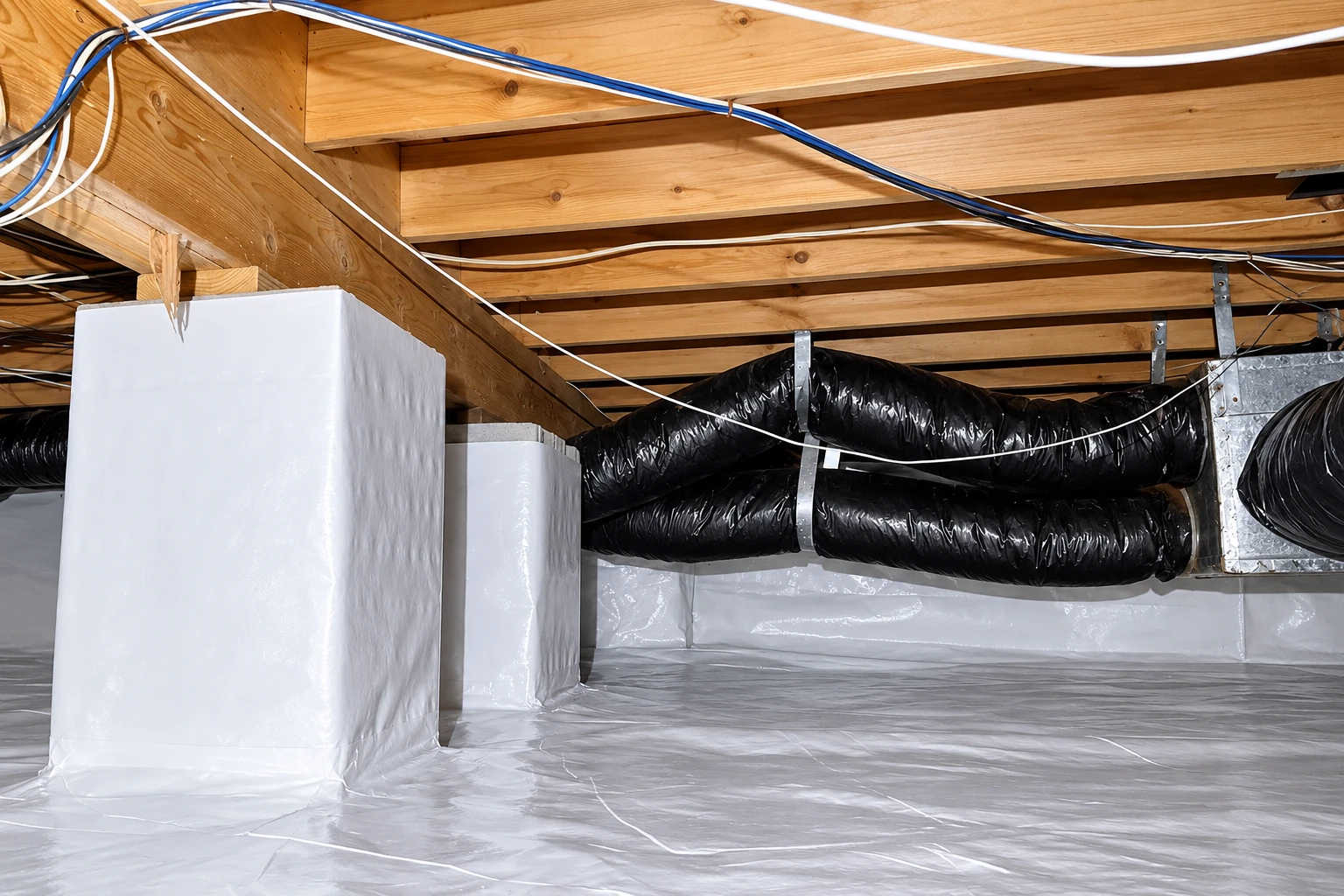
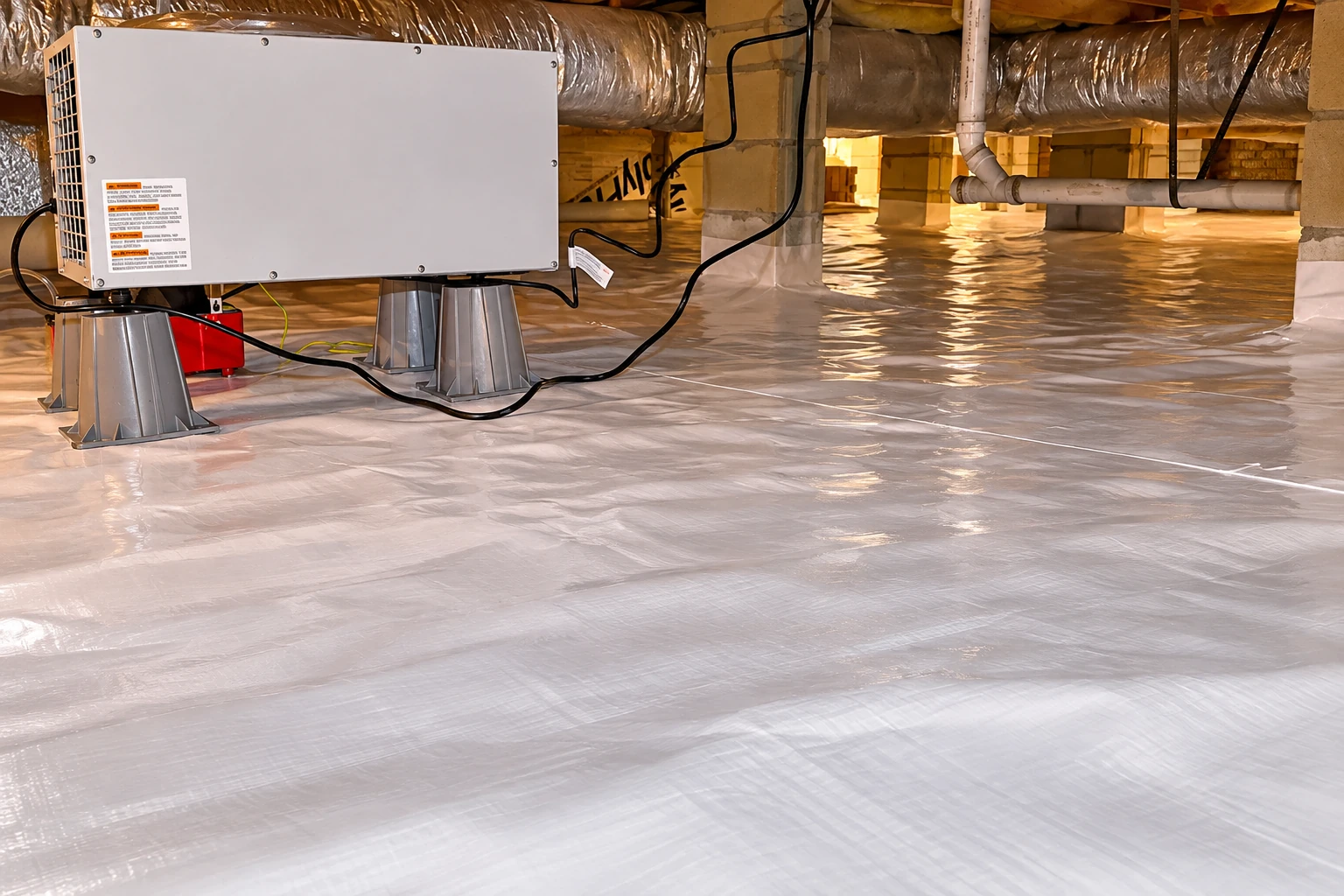
I start under the house. Before we close any vent, I look at everything down there, especially gas or oil equipment, because what's burning fuel in that space changes what we can safely close. Then our crew clears out stored items and debris, pulls any insulation that's soaked or fouled, and seals the gaps around pipes, wires and the rim joists, which are the boards around the edge of the floor frame. Plastic ground cover goes down over the dirt and up the walls, the insulation goes on the walls or under the floor depending on the plan, and we set up how the space will dry out as part of the same job.
If the house still feels drafty after the floor is done, the same leaks often run up through the outside walls, and wall insulation is usually the next step. We also do air sealing services for the rest of the house, since closing gaps up top keeps warm air from rising out and pulling cold air in from below.
Sealed, with insulated walls
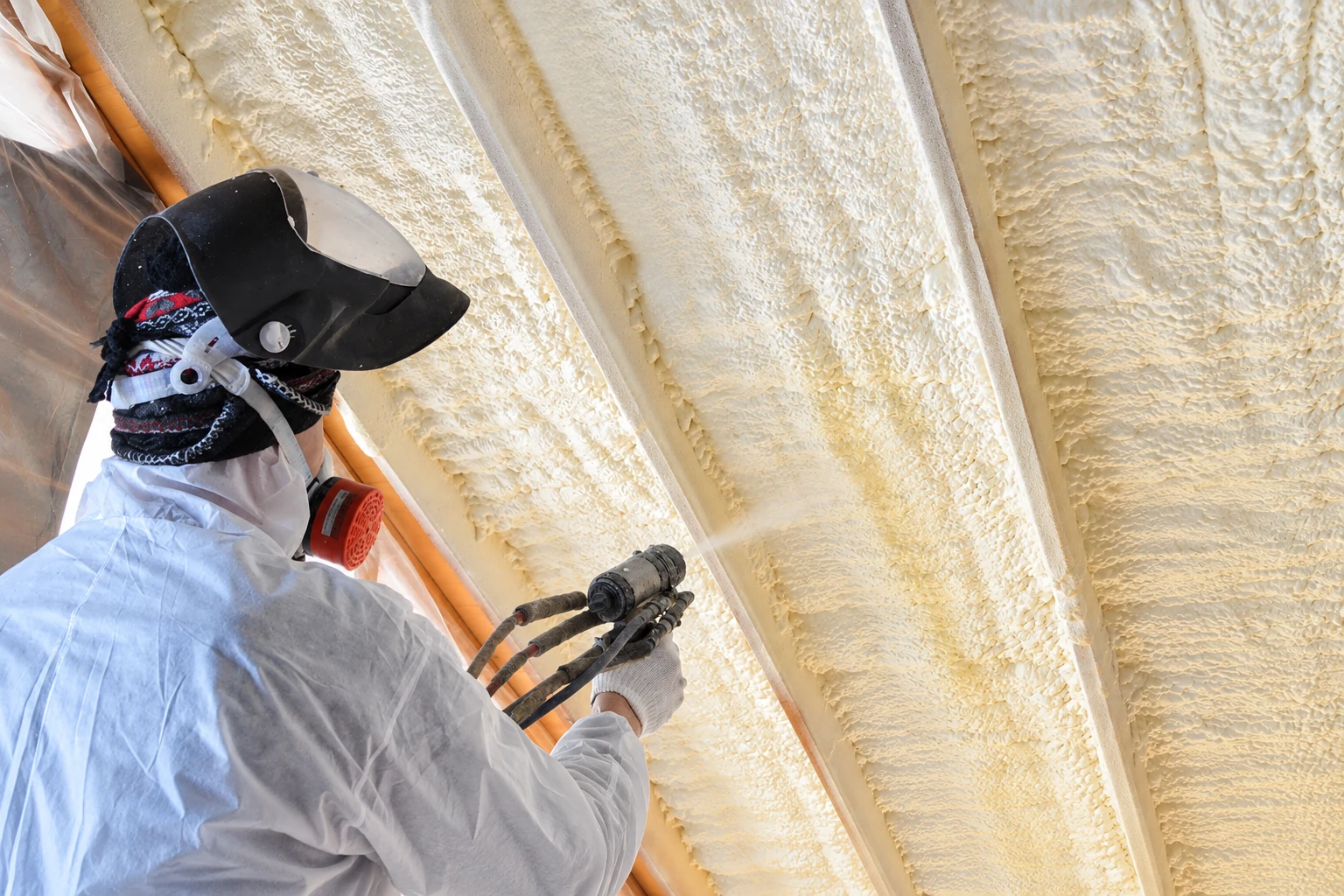
This suits most houses where the ducts or the furnace sit in the crawl space, because it keeps that equipment in a drier, milder space, and it's the one I lean toward here. We usually use rigid foam board, and I save spray foam, which costs more but seals air as it insulates, for uneven spots.
Vented, with floor insulation
This fits a crawl space with no ducts down there, or one with equipment that needs outside air and isn't being replaced yet. The insulation fits between the floor joists, though the framing still meets damp summer air, so we pay close attention to the edges and the ground cover.
Clean out, then start fresh
This is for crawl spaces where the old insulation is wet, moldy or full of droppings. We take the old material out before anything new goes in, because fresh insulation laid over a mess just keeps the problem.
Get a written crawl space insulation estimate
Send the form and we'll reply within one business day to set up a free on-site estimate, with no obligation. You can also call (573) 289-3994.
Call (573) 289-3994Why Columbia homeowners call Heatwise for crawl space insulation
I look at it myself
I come out to measure, photograph the crawl space and write the estimate, and our install crew does the work. I've run this business since 2023, and I'm the one who checks the finished job with you.
Problems named before insulation
If there's a leaking pipe or water pooling under the house, I'd rather tell you it needs fixing first than bury it under new insulation. You hear about it at the estimate, not after the floor smells worse.
Licensed and insured, every job
We're licensed and insured. That counts under a house, where our crew works in a tight space around wiring, gas lines and your floor framing.
Based in Columbia, working nearby
We're based in Columbia and work across Jefferson City, Fulton, Moberly, Boonville and other cities around them. A lot of the houses we see have vented crawl spaces with a furnace or water heater sitting right there under the floor, so checking that equipment is routine for us.
If your crawl space has you worried, send us a request or call (573) 289-3994 and I'll come take a look.
What happens after you call about your crawl space
Call or send a message
Call or use the form, and we'll set a time for me to come out to your house. Let us know where the access is, whether it's a hatch inside or a door outside.
I measure and take photos
I crawl the space, measure it, photograph it and check any gas or oil equipment, and I note anything that has to be fixed before insulation goes in. You see the photos, so you know what's actually down there.
You get it in writing
The estimate lists each area, the materials and the steps we plan, so you can see what's driving the price instead of guessing. If something like a leak needs fixing first, it's written there too.
Seal, insulate, then walk through
Our crew does the sealing first and the insulation second, because insulation over open gaps just fights the draft. When they're done, I walk the finished job with you and show you where each material went.
Common questions
What causes moisture in a vented crawl space in Columbia?
Humid outdoor air coming in through the vents is usually the cause, because it condenses on the cool floor framing and feeds mold and wood damage. Research on vented crawl spaces in mixed and hot-humid climates finds they tend to gain moisture, and one Missouri analysis describes Columbia's average outdoor humidity as 65% to 85% from late May through September. A sealed, insulated crawl space cuts that condensation and can keep floors warmer, which is why owners here usually weigh it first.
Can I just close the vents in my crawl space?
No, closing the vents by itself can raise the moisture, and it can be deadly if a furnace or water heater down there burns fuel and depends on natural venting. A crawl space always needs a way to dry out, and building guidance names a small amount of air from your heating and cooling system as one of the most effective. That's why I check the equipment and plan the drying before we close anything.
How much does crawl space insulation cost in Columbia, MO?
Insulating a crawl space in Columbia usually costs about $1,400 to $6,400 per job, mostly depending on the size of the space and whether it's being sealed or kept vented. In 2022, City of Columbia Water & Light offered rebates up to $1,200 and loans up to $15,000 through its Home Performance with ENERGY STAR program, so check with the utility for what it offers now. Your written estimate shows what goes into your own number.
Can I insulate my crawl space myself?
You can, but energy guides rate it a moderate to difficult do-it-yourself project, and the payoff depends on doing it correctly. The hard part is the detail work in a cramped, dirty space, where a missed gap or a vent closed in the wrong spot can make things worse. If you'd rather not crawl it, I'm glad to look and tell you what I'd do.
What is the best way to insulate a crawl space, the walls or the floor?
If the crawl space is being sealed, insulating the walls is usually the better way, and with rigid foam board on the walls the underside of the floor doesn't need insulation. If it stays vented and we insulate under the floor, sealing and insulating the rim joists is a critical step, usually done with rigid foam or spray foam.
Does foam insulation in a crawl space need a cover over it?
Usually, yes. Most codes call for a fire barrier over foam insulation, typically drywall, though several foam products are designed and tested to lower that risk. Ask whether the foam you're quoted meets local code, and I'll name the product on your estimate so you can check.
Book a look under your house
Call (573) 289-3994 or use the form, and if you can, tell us roughly how big the crawl space is, how you get into it and whether a furnace or water heater sits down there, so I come prepared.