
Retrofit insulation in Columbia MO - rooms that stay even, upstairs and down
Hot upstairs rooms, cold floors and a high power bill usually mean the attic or walls are thin. We add insulation where it counts first.
- Licensed and insured.
- Free estimates at your property.
- We reply within 1 business day.
Should you insulate the attic or the walls first?
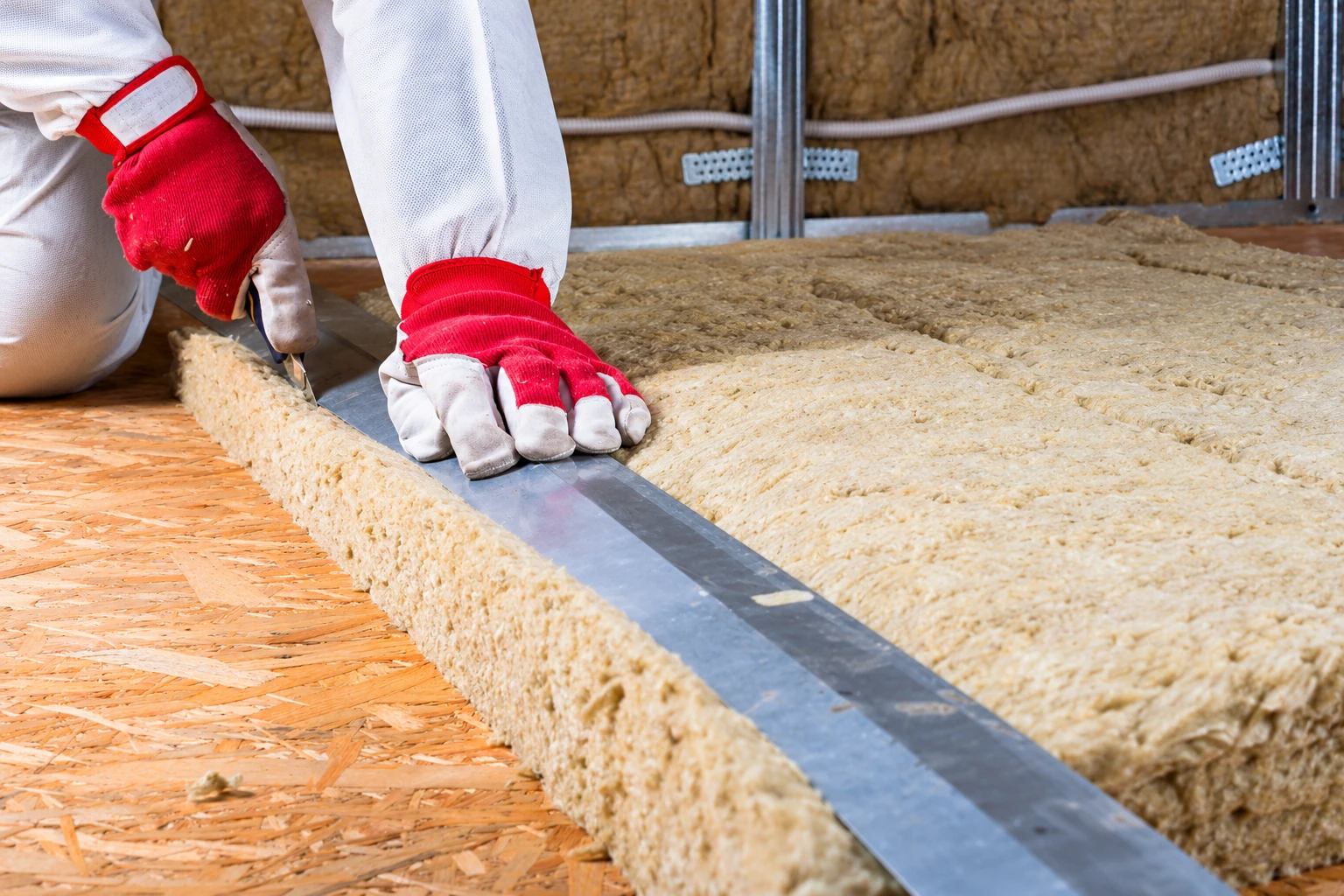
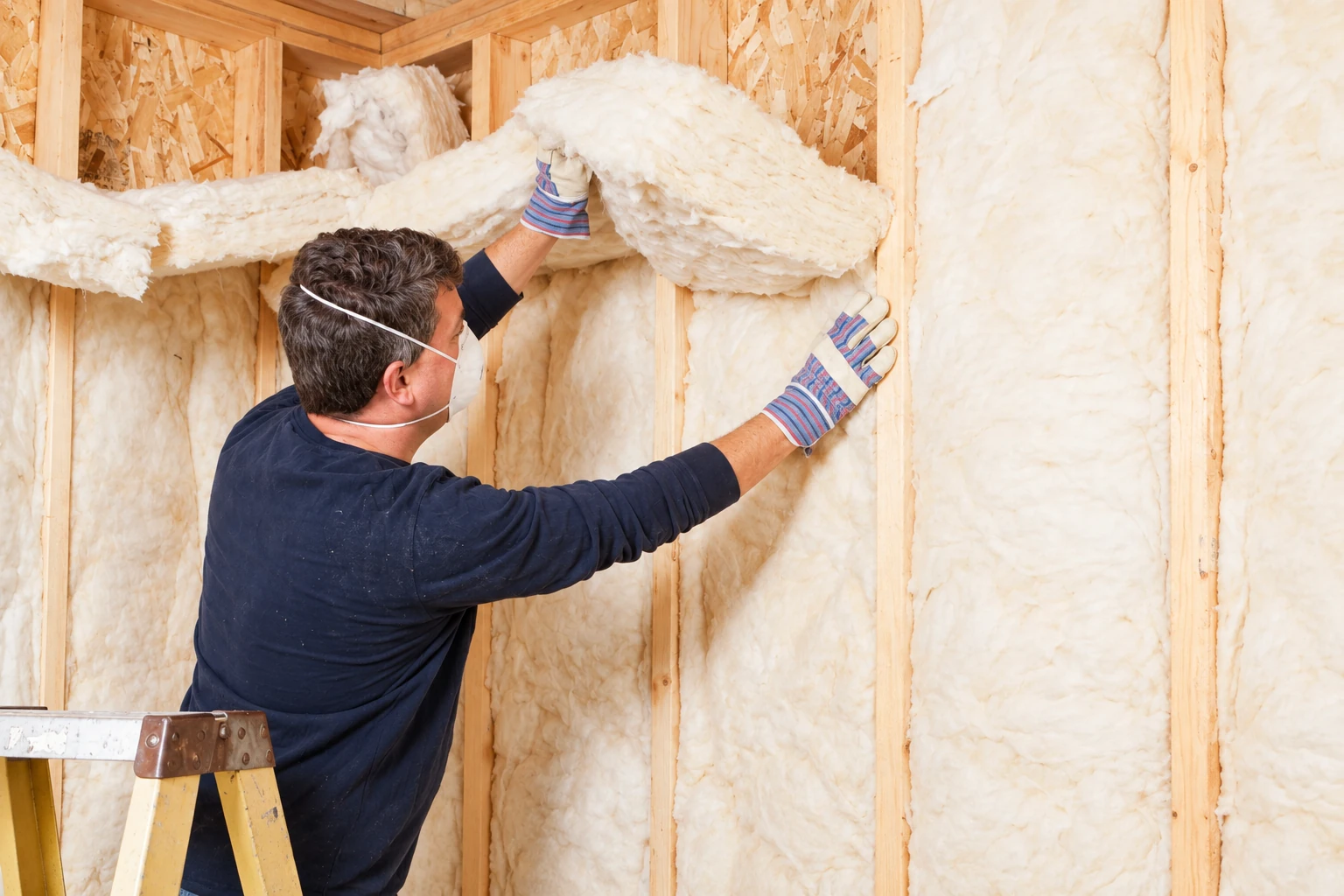
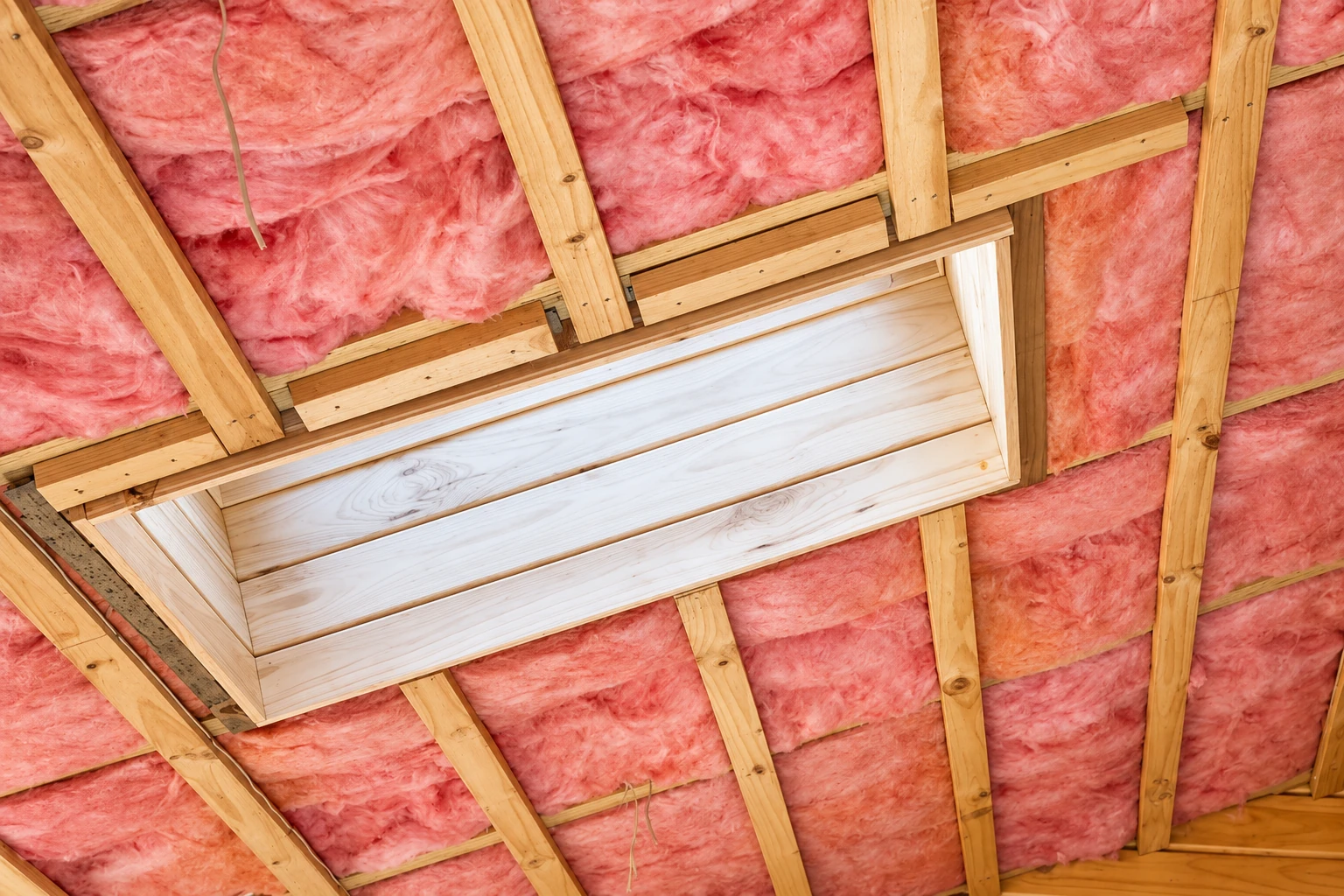
Retrofit insulation adds insulation to a house that's already built, covering the whole attic floor and filling the wall cavities. In Columbia, it's how we fix hot upstairs rooms and drafty older houses without tearing anything out.
Most calls I get start with a room that's hot all summer or a floor that's cold all winter, and the answer is usually in what's already there: how many inches sit in the attic, whether the walls were ever filled, and how old the house is. Those things move the price more than anything else, along with how many gaps need sealing and whether old material has to come out first. The schedule mostly turns on that prep work and how easy the attic is to reach. Your written estimate lays out which areas we'd do, with what material and in what order, so you see the plan before anything starts.
How do you know your house needs more insulation?
Upstairs stays hot
The rooms under the roof or over the garage stay warm long after the sun goes down. That usually means the attic is thin or has open gaps letting heat in, and every summer you wait, the AC works harder to keep up.
Drafts and cold floors
You feel air moving near outlets, baseboards or the attic hatch, and the floors over the crawl space stay cold. That's air leaking through gaps, so more insulation laid on top won't stop it, and the draft keeps showing up on the power bill until someone seals it.
Attic insulation looks thin
When you open the hatch, you can see the tops of the ceiling joists, or the insulation is flattened, stained or full of droppings. Thin spots let heat straight through, and dirty or stained material can hide a leak or pests that only get worse if they're buried under new fill.
Work that often goes with a retrofit
Attic insulation
When the attic is the only weak spot, a full attic job on its own may be all your house needs.
Spray foam insulation
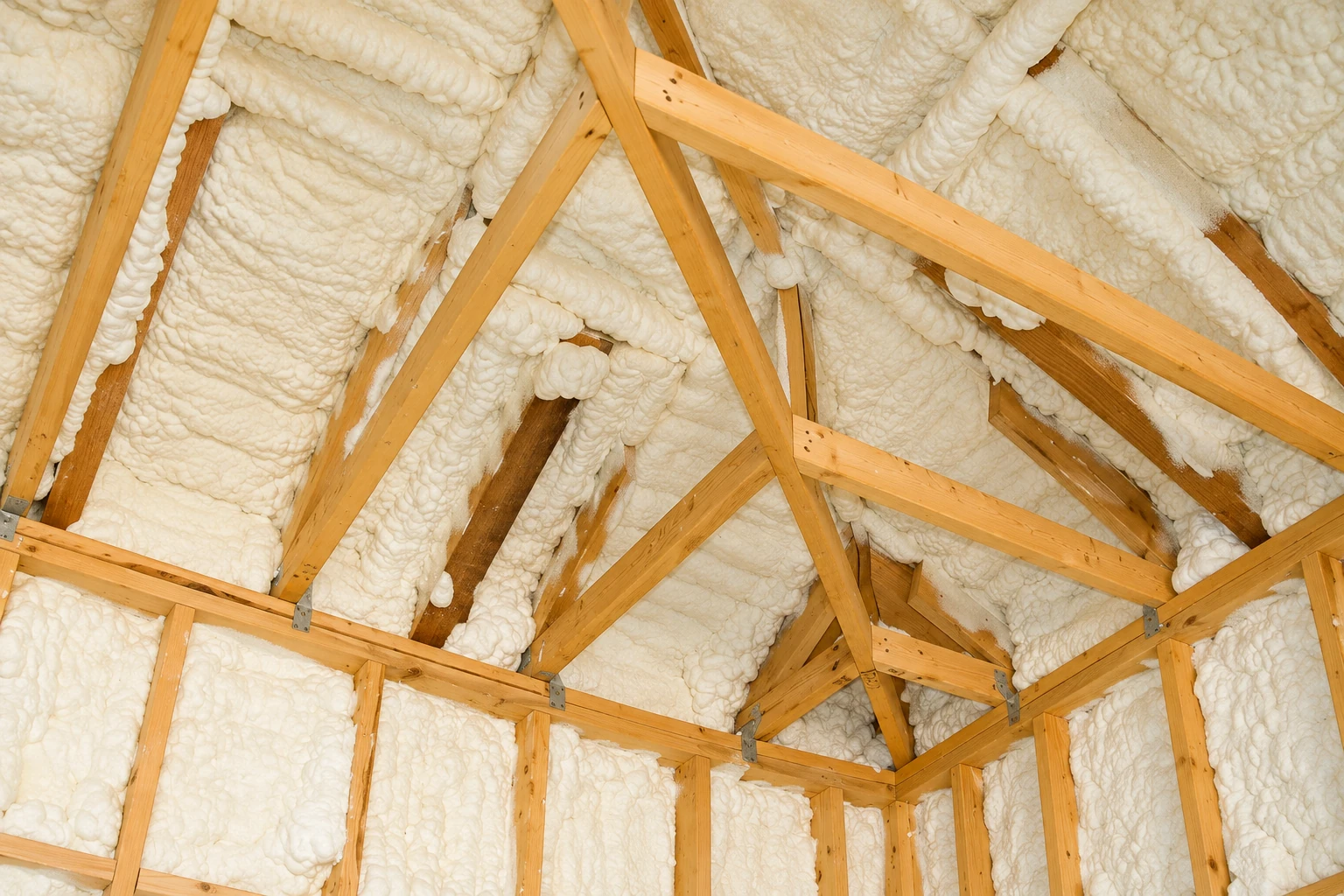
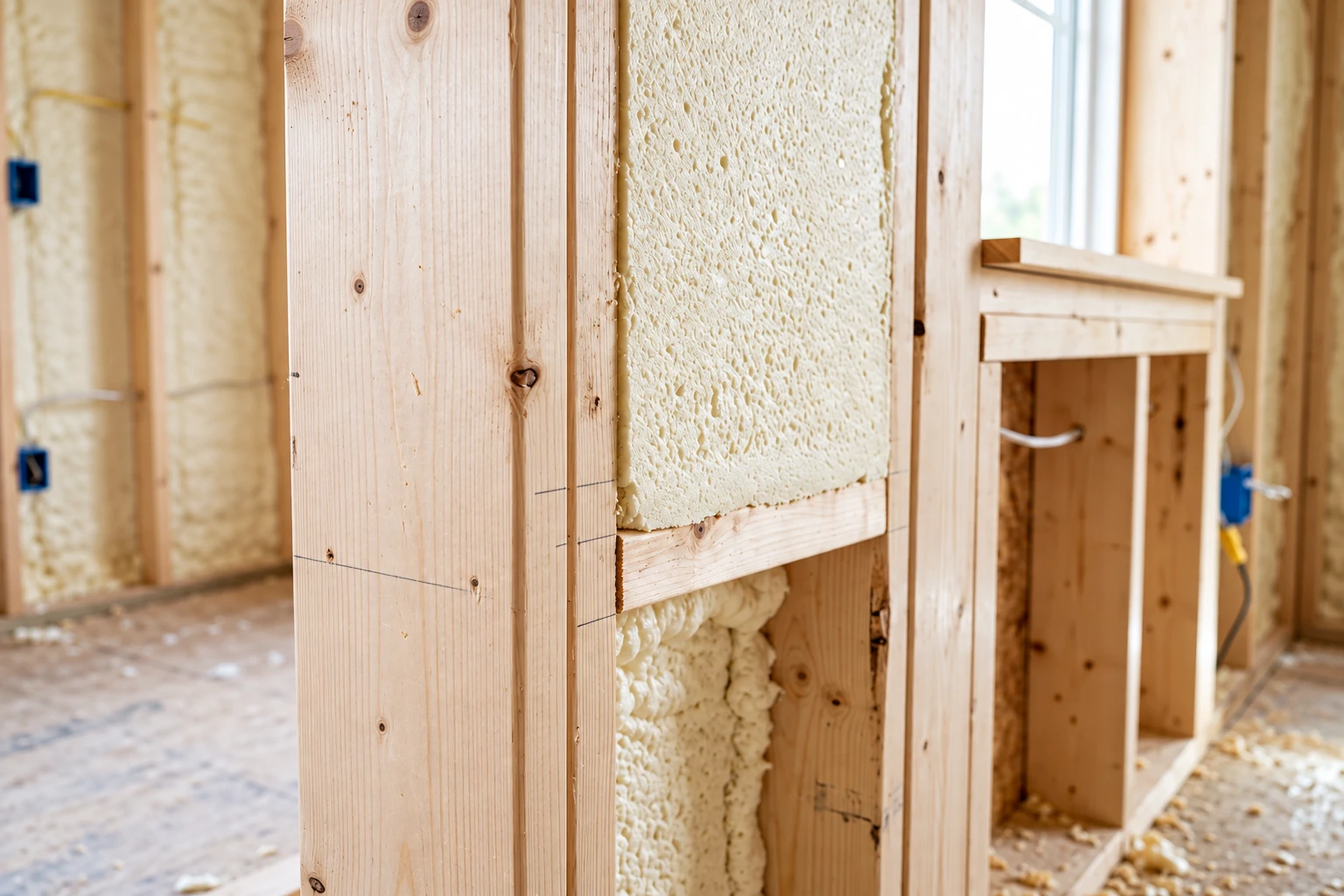
Ducts in the attic or a leaky room over the garage can call for foam that stops air and heat in one layer.
How we handle retrofit insulation
I start with the house's age and what's already in the attic and walls, because that tells us which area to add to first so each step builds on the last and you don't pay for the same area twice. Our crew seals the gaps around can lights, pipes, wiring holes and the attic hatch before any insulation goes in, so the new material isn't fighting a draft. In the attic, we set baffles, short channels that keep the eave vents open, so the attic keeps breathing, and we spread the fill evenly out to the edges, where it's usually thinnest. If the old material is soaked or full of droppings, I'll tell you it has to come out first, and if the roof leaks, that gets fixed before we add anything.
Most retrofits start with attic insulation, because a top-up there is usually the easiest place to gain ground. Spray foam insulation costs more but seals air while it insulates, and I recommend it mainly when ductwork runs through the attic, since sealing the gaps and topping up loose fill usually does the job for less.
Blown-in attic top-up
Blown-in is loose fill sent through a hose over what's already there, and it suits most attics that are thin but dry and clean. It's usually the most direct fix for a hot upstairs.
Filling closed walls
This suits older houses where the outside walls feel cold and were likely never filled. We plan it alongside the attic so the two pieces fit together instead of being priced as separate guesses.
Foam where the ducts are
This suits attics with ductwork, or a room over the garage where air leaks and heat loss are tangled together. It costs more, so I only suggest it where sealing and loose fill won't reach.
Get a written plan for your attic and walls
We reply within one business day to set up a free estimate at your house, with no pressure and no obligation. Calling (573) 289-3994 works too.
Call (573) 289-3994Why Columbia homeowners call Heatwise Columbia Insulation Company for retrofits
Estimates that show what goes where
Every estimate is written out with the areas, the materials and the steps we plan, in the order we'd do them. You can compare it line by line with any other quote and know exactly what you bought.
The person who quotes it checks it
I come out myself to measure and write the estimate, our install crew does the work, and I walk the finished job with you at the end. Nothing gets lost between what I wrote down and what went into your house.
Licensed and insured for attic work
We're licensed and insured. That matters when people are working above your ceilings and down in your crawl space.
Based in Columbia since 2023
I sold insulation jobs for another company before learning the install side under seasoned installers, then started this business here in 2023. We work across the area, including Jefferson City, Fulton, Moberly, Boonville and other cities around them, where we see the same drafty older houses and hot upstairs rooms.
On a retrofit, the order of the work matters as much as the material, so set up a visit and I'll measure what's up there before we talk about adding anything.
What happens when you call about retrofit insulation in Columbia?
Call or send a message
You call (573) 289-3994 or fill out the form, and we set up a time for me to come out. Let us know if the attic hatch is in a closet or the garage so I can plan the visit.
I measure and take photos
I measure what's in the attic, walls or crawl space and photograph it. I also note anything that has to be fixed first, like a roof leak or old material that needs to come out.
You get it in writing
The estimate lists each area, the material and the steps we plan, in the order we'd do them. You see where the money goes before you decide anything.
Sealing first, then insulation
If you go ahead, our crew seals the gaps first and adds the insulation second. Then I walk the finished job with you and show you where everything went.
Common questions
How much does attic insulation cost in Columbia, MO?
Attic insulation in Columbia usually costs about $1,400 to $4,500 per job, depending on the attic's size, how much is already up there and how much sealing or removal comes first. Walls are priced separately once I've seen them. In 2022, City of Columbia Water & Light offered rebates up to $1,200 and loans up to $15,000 for this kind of work, so ask the utility what it offers now.
Should I seal air leaks before adding insulation?
Yes, seal first. Money spent on insulation can be wasted if the holes and gaps in ceilings, walls and foundation stay open, so air sealing belongs in the same plan and budget. On our jobs, the crew seals before any insulation goes in.
How do I know how much insulation to add to my attic in Columbia?
Start by measuring how many inches are already up there, because that decides the target. Boone County sits in climate zone 4A, and for that zone ENERGY STAR recommends a higher R-value, the measure of how well insulation slows heat, for an empty attic than for one that already has 3 to 4 inches. I measure the depth at the estimate and price the right target from there.
Can my family stay home while you insulate the walls?
Usually yes for dense-pack wall work, since one installer's guide notes that people can stay home and other work can go on while walls are filled that way. Spray foam is different, because the house has to be completely empty while it goes in. If foam is part of your job, I'll go over the re-entry time, when you and the pets can come back in, before we schedule it.
What is the best way to insulate walls in an older house without tearing them out?
Dense-pack is usually the least invasive way, filling the closed wall cavities through small holes cut from inside or outside. Houses built before 1980 often have little or no wall insulation, so the walls are worth checking along with the attic. The holes get patched or covered with chair rail molding afterward, and you pick the finish before we start.
How long does blown-in cellulose insulation last?
The cellulose makers' trade group says properly installed cellulose can work well for decades, and the "properly installed" part is what to ask about. A good install includes blocking that keeps the insulation off the chimney and flue and holds an air space open around them, so ask any contractor how they'll handle that in your attic.
Book a look at your attic and walls
Have your home's age, a rough idea of the attic depth and the walls you'd like filled ready when you call (573) 289-3994 or send the form, and I can start planning before I arrive.