
Air sealing services in Columbia MO - drafts closed where the air gets in
Drafty rooms and a hot upstairs usually come from small gaps where air slips in and out. We find them and close each one.
- Licensed and insured.
- Free estimates at your property.
- We reply within 1 business day.
What does air sealing do for a drafty house in Columbia?
Air sealing services in Columbia, MO close the gaps where air leaks in and out of your house, around door frames, pipes, wires, vents, fans and up in the attic. Rooms hold their temperature better, and less moisture works its way into the wood, where it can cause warping and mold. At Heatwise Columbia Insulation Company, we do this work in Columbia and the cities around it, including Jefferson City, Fulton, Moberly and Boonville.
Most calls I get for this start with a hot upstairs room or a drafty older house. The price comes from how many leaks we find, how hard they are to reach and whether insulation has to be pulled back to get at them. The schedule mostly turns on whether something like a roof leak or damp framing has to be fixed first. I'll give you your own figure in a written estimate after I've seen the house. If the attic is your main worry, our attic air sealing page covers that part of the house on its own.
How can you tell your house is leaking air?
Cold drafts in certain rooms
You feel moving air near a door frame, along the floor or in a room that never quite warms up. That usually means outside air is slipping in around frames, pipes or wiring, and the furnace pays for it every winter you wait.
Upstairs hotter than downstairs
When the upstairs runs hot in summer and cool in winter while the ground floor feels fine, leaks into the attic are often pulling your heated or cooled air out through the ceiling. Adding insulation alone won't fix that, because the air finds its way around it.
Ice along the roof edge
Ice building up at the eaves in winter usually means warm air from the house is leaking into the attic and melting snow on the roof, which then refreezes at the cold edge. Left alone, that water can back up under shingles and soak insulation and framing you'd then have to replace.
Work that often goes with sealing
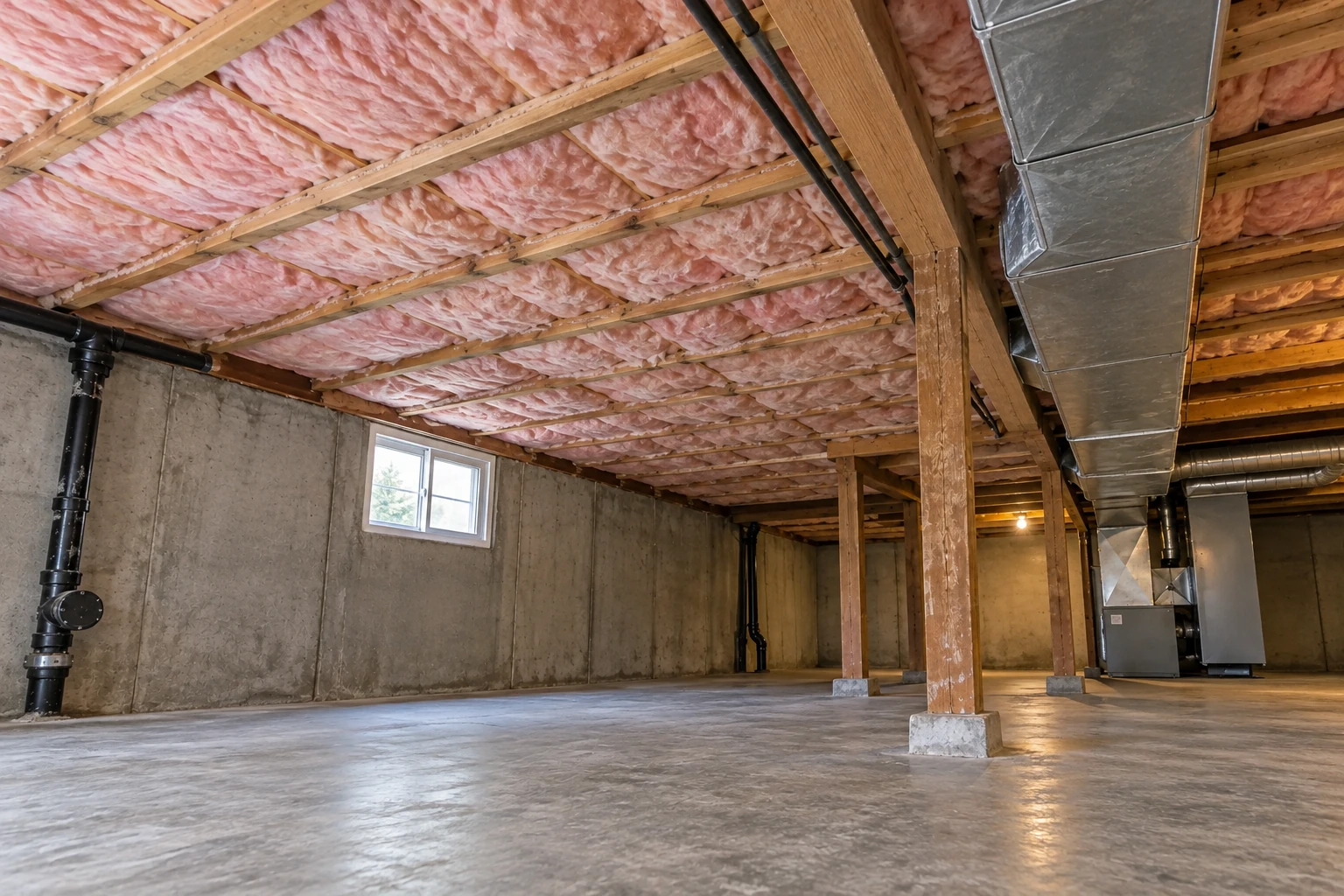
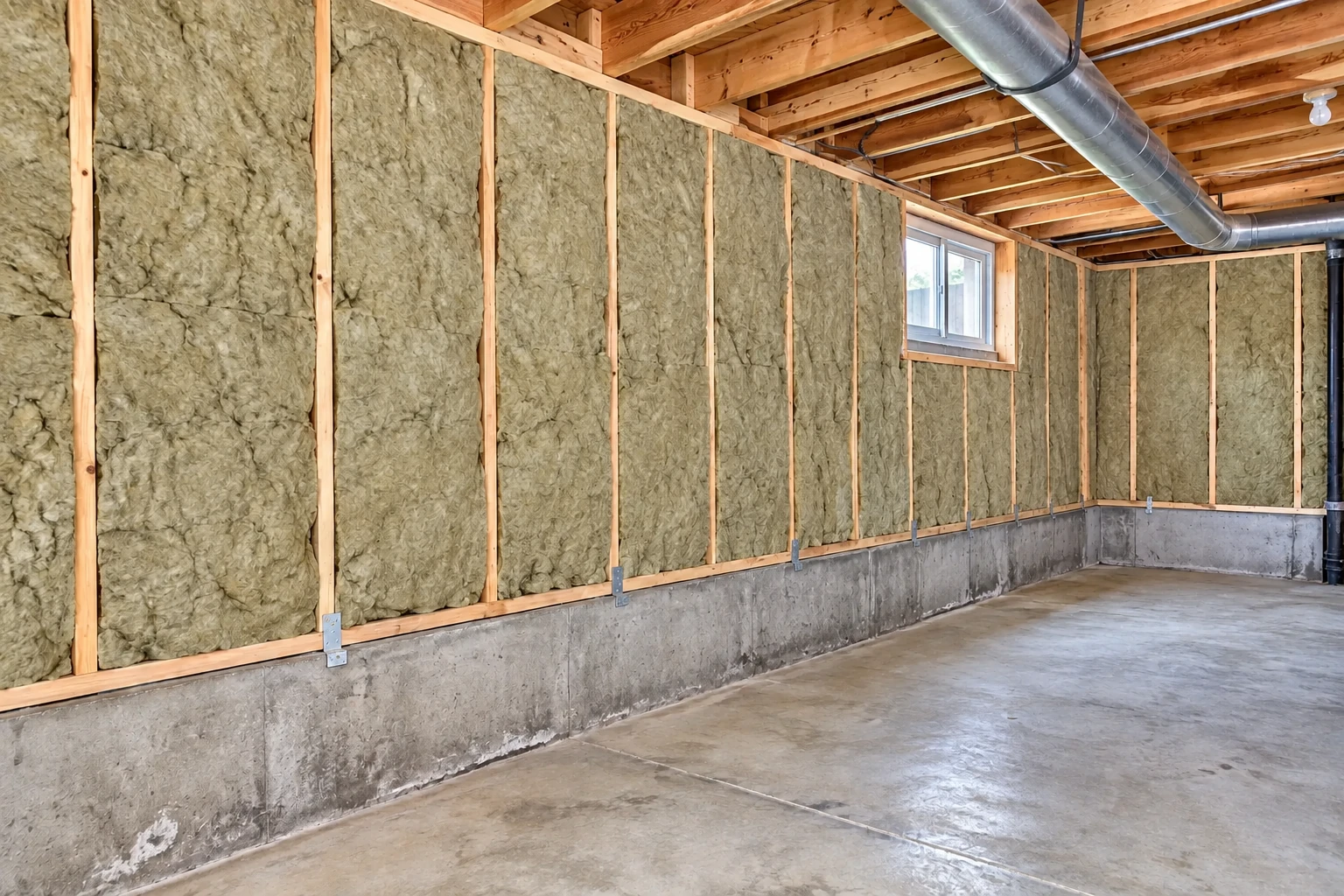
Basement insulation
If your floors stay cold, the edge of the basement where the house sits on the foundation is often leaking, and insulating down there finishes what sealing starts.
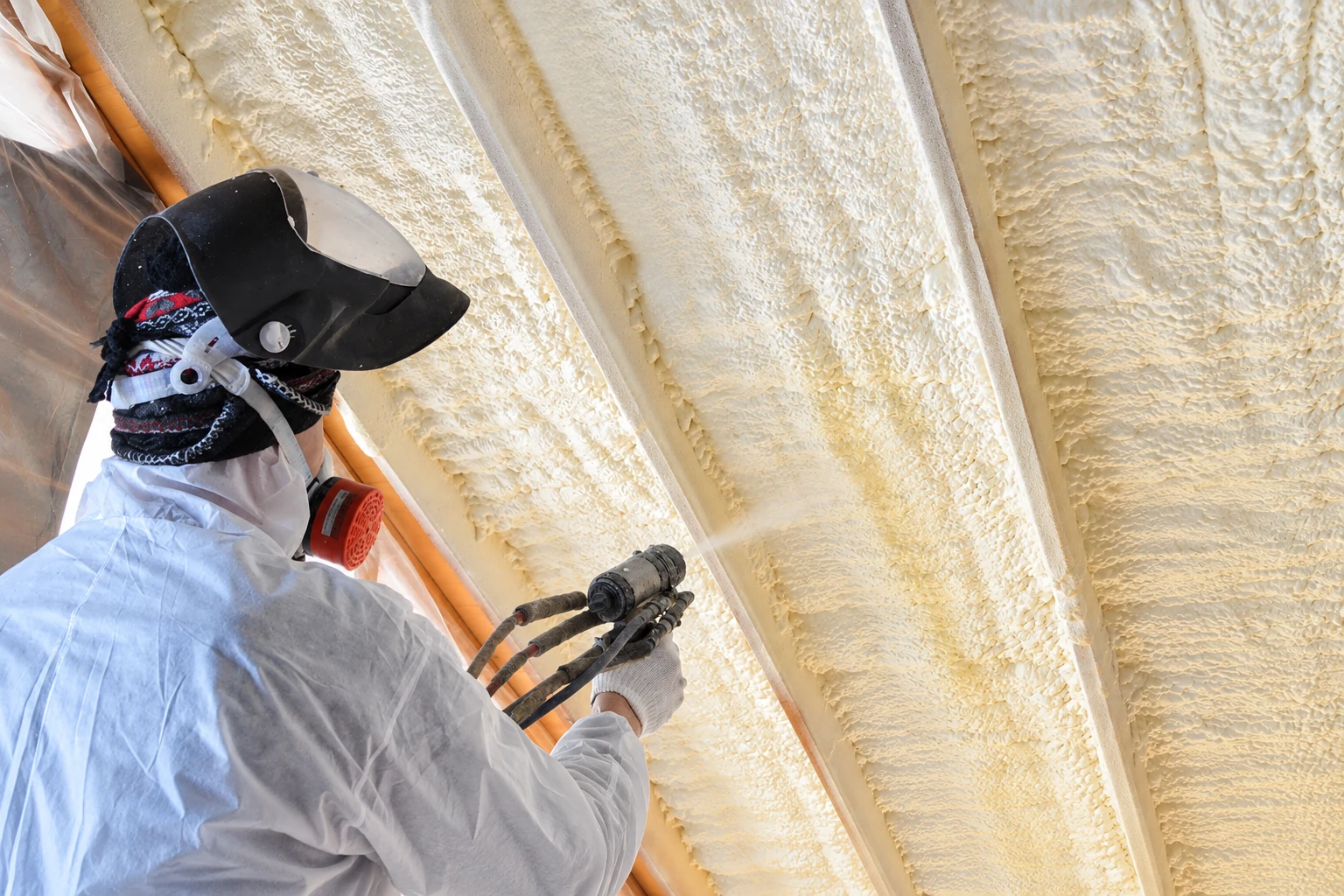
Closed-cell foam insulation
When ducts run through the attic or a wall tends to stay damp, a dense foam that seals and insulates at once can be worth its higher cost.
How we handle air sealing in your house
I start by walking the house and the attic to find where air is moving, at pipes, wires, vents, bath fans and door frames, and I note anything that has to be fixed before we seal, because I'd rather tell you a roof leak needs fixing than have us bury it under new work. Our crew then pulls back insulation where the gaps sit under it, closes each gap with a material that suits it, caulk for thin cracks, foam for bigger openings around pipes and wires, weatherstripping on door frames and the attic hatch, and puts the insulation back without covering the eave vents so the attic keeps breathing.
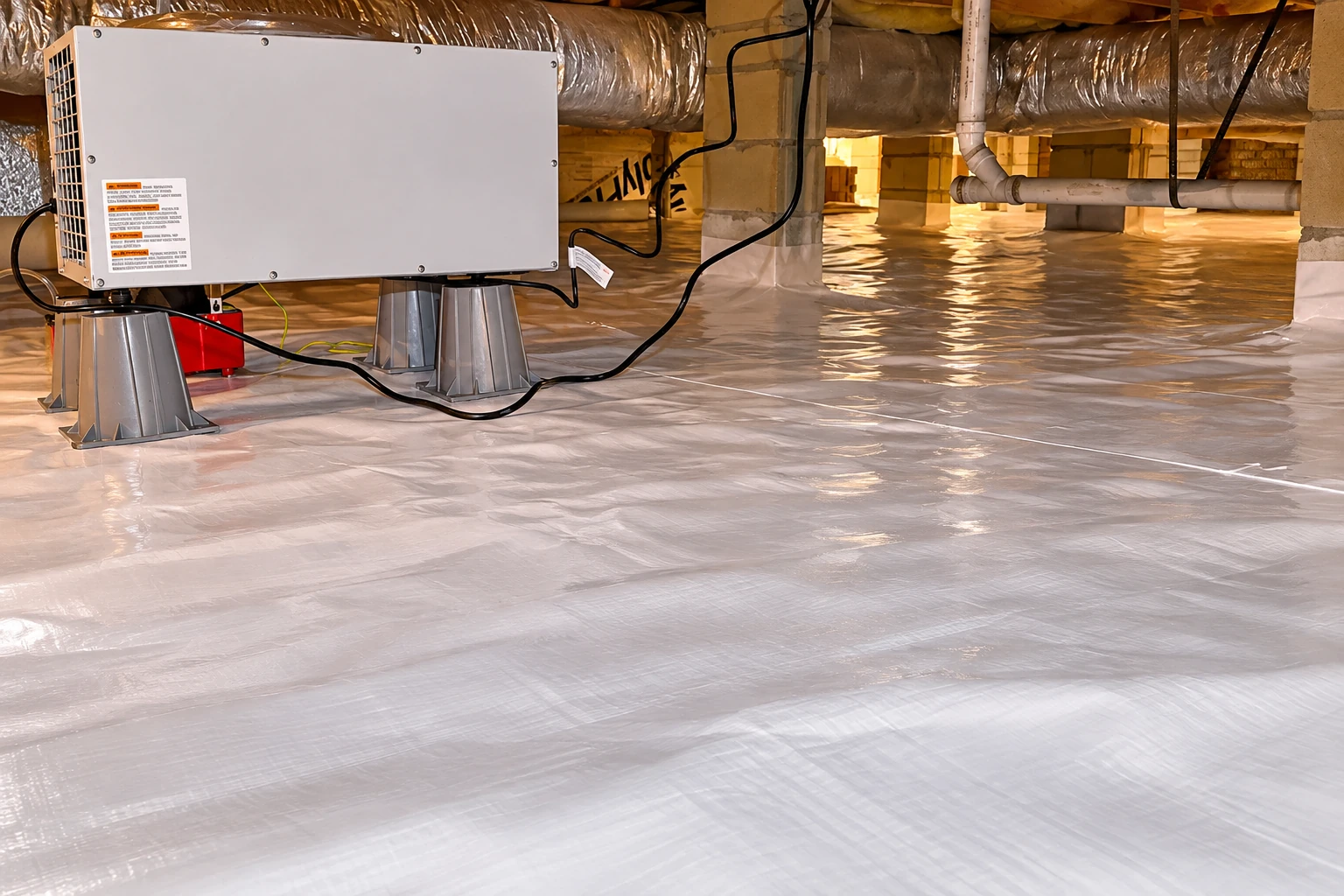
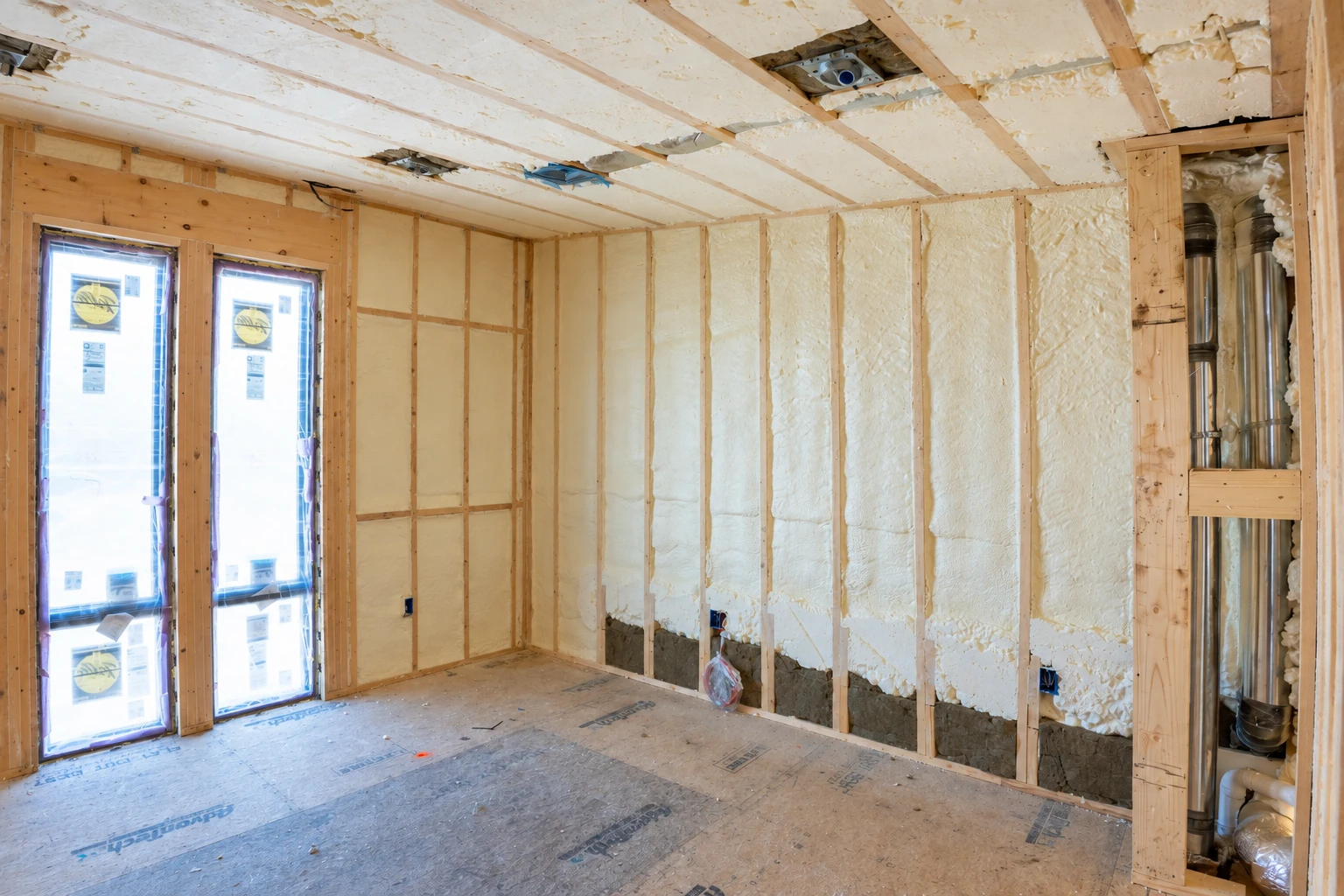
Leaks don't stop at the attic. Where the floor framing sits on the foundation, gaps let in the cold that makes floors chilly, so sealing there pairs well with basement insulation. Closed-cell foam insulation, a dense foam that also blocks moisture, seals and insulates in one pass but costs more, so I usually recommend sealing the gaps and topping up loose fill instead, unless your ductwork runs through the attic.
Sealing with your insulation put back
This suits houses that already have enough dry, clean insulation in the attic. We move it aside, seal underneath, and lay it back evenly so you aren't paying for material you don't need.
Sealing with a loose-fill top-up
This suits attics where the insulation is thin or has settled over the years. We seal first, then add blown-in insulation, loose fill blown through a hose, keeping it as deep at the edges as in the middle.
Get a written air sealing estimate for your house
Send the form and we'll reply within one business day to set up a free estimate at your property, with no pressure and no obligation. You can also call (573) 289-3994.
Call (573) 289-3994Why Columbia homeowners call Heatwise Columbia Insulation Company to seal air leaks
I write every estimate myself
I come out to look, measure and write your estimate, our install crew does the work, and I come back to check it with you at the end. You talk to the same person from the first visit to the final walkthrough.
Building this business since 2023
I spent my first years selling insulation jobs for another company, then learned the install side under seasoned installers and started this business in Columbia in 2023. That's why our estimates spell out what goes where, because I got tired of quoting work I couldn't explain.
Licensed and insured on site
We're licensed and insured. Our crew works around wiring, ceilings and the attic hatch in your home, so that coverage matters if something goes wrong.
We check the right office first
Inside Columbia city limits, building inspections go through the city's office, and outside them in Boone County they go through the Boone County Inspections Division. Before we schedule, I check with the office for your address and tell you what I found.
Your satisfaction, guaranteed. Most of this work ends up hidden under insulation, so ask for an estimate and I'll show you where every gap is before we close it up.
What happens after you call us about air leaks?
Call or send a message
Call (573) 289-3994 or use our contact form and tell us what you're noticing in the house. We set a time for me to come out.
I measure and write it up
I come out, measure, photograph the attic, walls or crawl space and note anything that has to be fixed before sealing. You get a written estimate listing the areas, materials and steps, so you can see what each part of the price pays for.
We seal, then I check
If you go ahead, our crew does the sealing first and any insulation second, so no gap ends up buried. When they're done, I walk the finished job with you and show you where the work went.
Common questions
Can I seal air leaks in my house myself?
Yes, for the obvious gaps, like around door frames and where pipes, vents and wires come through outside walls. Small leaks that are hard to find, especially attic leaks hidden under insulation, are a job for a professional, because you can't seal what you can't see. If the attic is your worry, call (573) 289-3994 and I'll come take a look.
Should I seal or insulate the attic first?
Seal first, then insulate. The national ENERGY STAR guidance puts the insulation after the sealing, and it makes sense on the job, because once fresh insulation is down the gaps under it are buried and much harder to reach. If you're planning both, schedule the sealing first and add insulation once the leaks are closed.
Is air sealing safe if I have a gas furnace or water heater?
It can be, with a check before and after. The same guidance suggests having a Home Performance Contractor test that any gas or oil appliance vents its exhaust properly before and after sealing, because a tighter house can sometimes pull those gases back inside. Tell me about those appliances at the estimate so that test is part of the plan.
How do I know my home needs air sealing?
High heating and cooling bills, dry indoor air in winter and dust settling in the rooms under the attic are common signs, along with the drafts, uneven rooms and ice dams covered above. Any of them is worth a look before you add insulation, since sealing should come first.
How much does air sealing cost in Columbia, MO?
There's no flat price, because the cost comes from how many leaks your house has and how hard they are to reach. Gaps buried under attic insulation, tight spaces or a repair that has to happen first add to it, while a house with leaks sitting in the open costs less. Your written estimate lists the areas, materials and steps so you can see what each part covers.
What has to be fixed in the attic before air sealing?
Wet insulation, moldy or rotted framing, an attic with little or no ventilation and old knob and tube wiring should be handled by a professional before sealing, according to the same guidance. Wet insulation usually means the roof leaks, and that wiring can be a fire hazard against insulation. If your attic has vermiculite, a light, gray, pea-size flaky fill that may contain asbestos, leave it undisturbed until an approved lab tests it.
Book an air sealing estimate in Columbia
Jot down which rooms feel drafty, what your bills have been running and whether you have a gas or oil appliance, so I can plan the visit around your house before I arrive.