
Closed-cell foam insulation in Columbia MO - a sealed layer that holds up to damp
Cold floors, a musty crawl space or a drafty basement? We seal the gaps, then spray dense foam that blocks air and moisture.
- Licensed and insured.
- Free estimates at your property.
- We reply within 1 business day.
Is closed-cell foam the right insulation for your house?
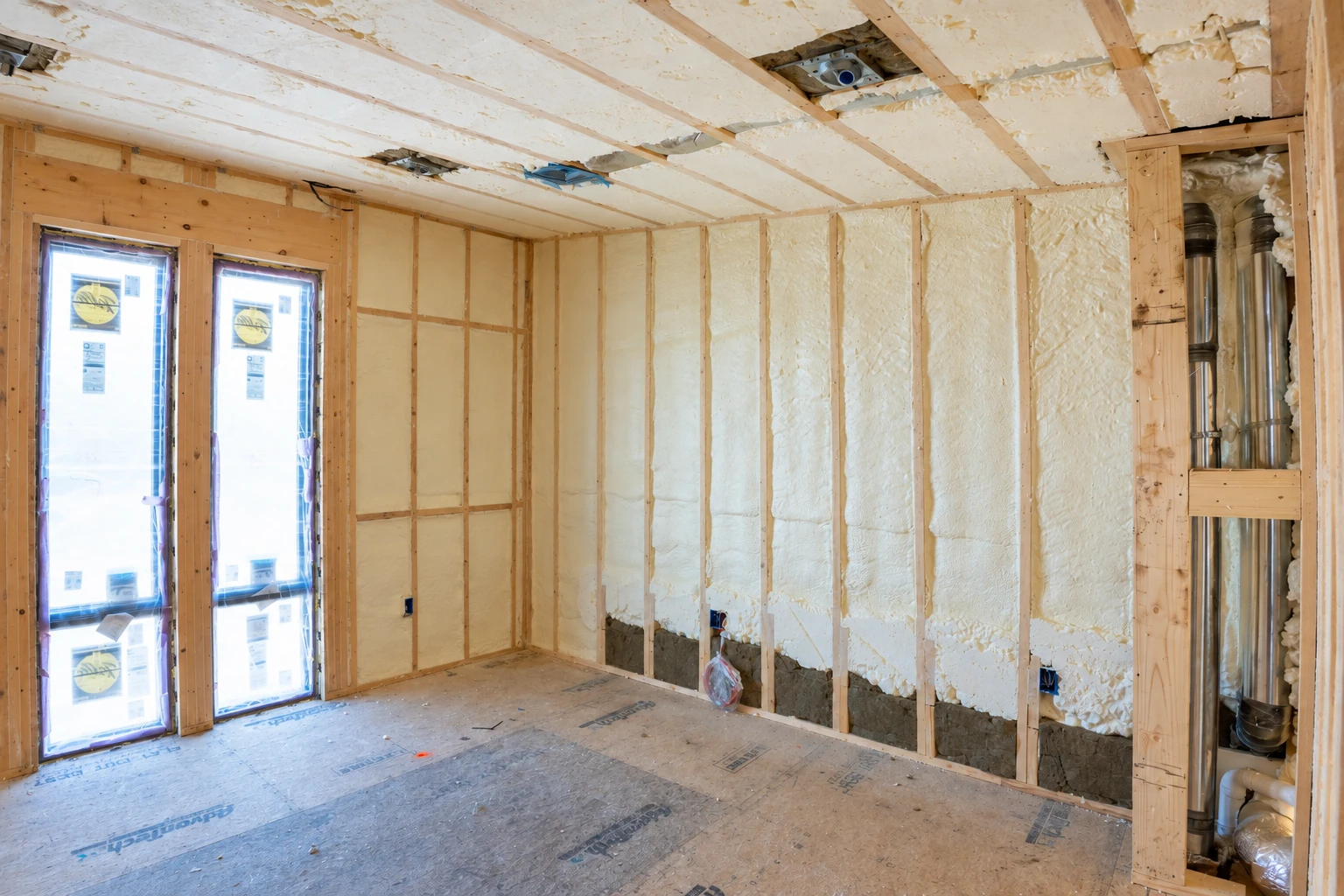
Closed-cell foam insulation is a dense spray foam that hardens into a rigid layer. In Columbia, MO, it's the insulation we suggest for crawl space walls, basement walls and other spots that see moisture, because it stops air leaks and blocks moisture while it insulates.
Heatwise Columbia Insulation Company is based in Columbia and does this work across the area, including Jefferson City, Fulton, Moberly, Boonville and the cities around them. Most foam calls we get start with a crawl space that smells damp or floors that stay cold all winter. The price depends on how many square feet we're covering, how thick the foam needs to be, how hard the space is to get into, and whether anything has to be fixed or pulled out first. That could be a leak, or soaked old insulation that calls for insulation removal. The schedule depends on those same fixes and on when your household can be out of the house. Your written estimate lays out the areas, materials and steps for your job.
What are the signs your crawl space or basement needs closed-cell foam?
A musty crawl space
You smell it in the rooms above, or you look under the house and the batts are sagging or lying on the ground. That usually means moisture is getting in and the old insulation is holding onto it. The longer it sits, the less it insulates and the longer the framing stays damp.
Cold floors all winter
The floors over the crawl space feel cold through your socks, and the rooms above won't warm up. That usually means air is moving freely under the house. Waiting keeps the furnace working harder, and you see it on the power bill every month of the season.
Drafts at the basement wall
You feel cold air at the top of the basement wall, or the cobwebs up there keep moving. That usually points to gaps at the rim, the band of framing that sits on top of the foundation. Left alone, that draft keeps the basement cold and pulls damp outside air in with it.
Other work people ask about
Open-cell foam insulation
Worth pricing for dry spots inside the house, where you want a foam seal without paying for the denser material.
Commercial insulation
For property managers who need a building insulated with the same written scope we give homeowners.
How we install closed-cell foam insulation
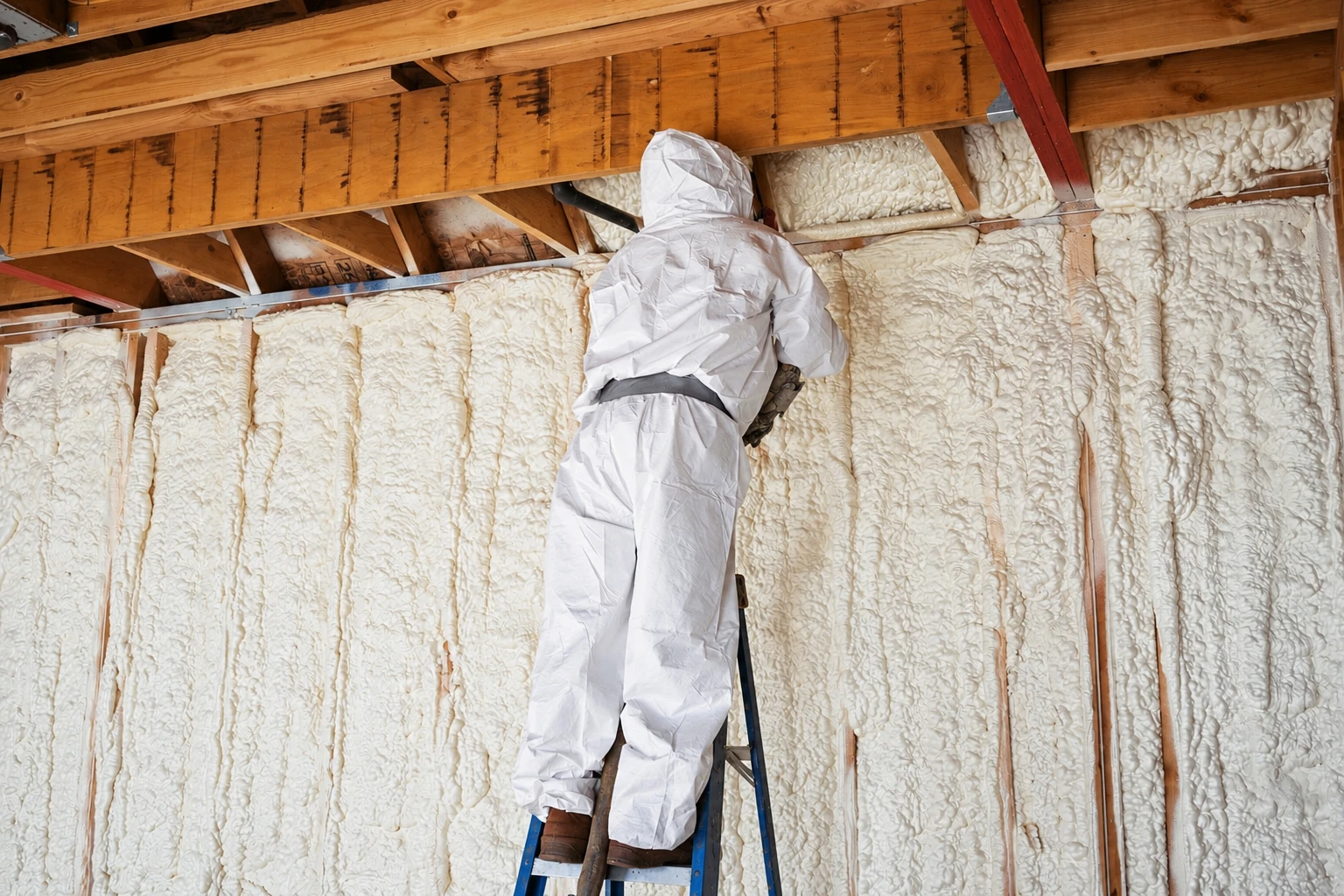
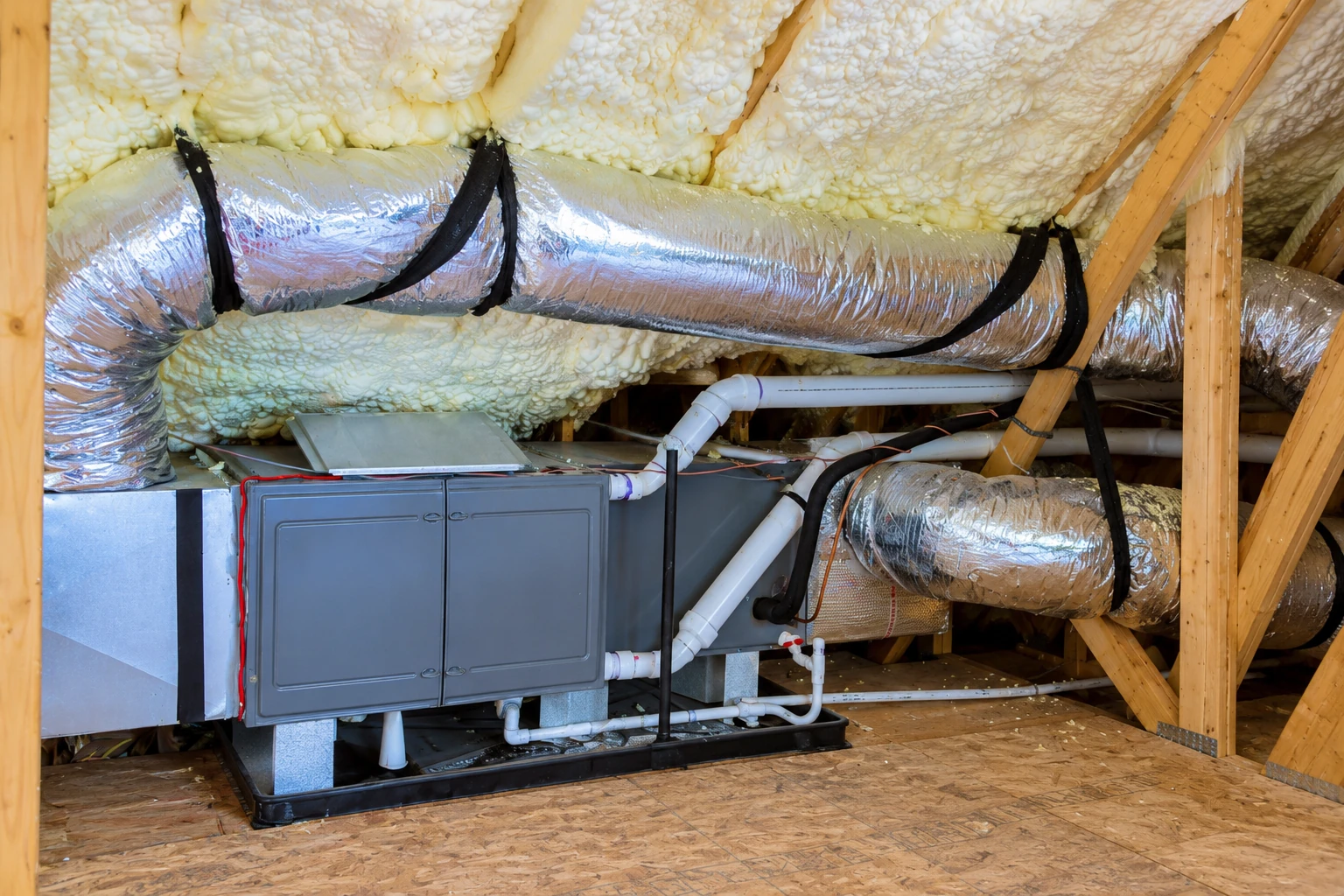
I start by looking hard at where the foam would go. Foam sprayed over a wet wall, droppings or an active roof leak just buries the problem, so anything like that gets fixed or pulled out first. Our crew seals the gaps around pipes, wires and the rim before any foam goes on. Then they spray the foam, which goes on wet, expands and hardens into a dense layer. We keep the thickness even out to the edges and corners, because that's where a job usually comes up short, and we clean up before we leave. Before you choose closed-cell, I'll tell you plainly that it costs more and changes how a framed wall dries. In a dry attic, sealing the gaps and topping up loose fill usually does the job for less, unless your ductwork runs up there.
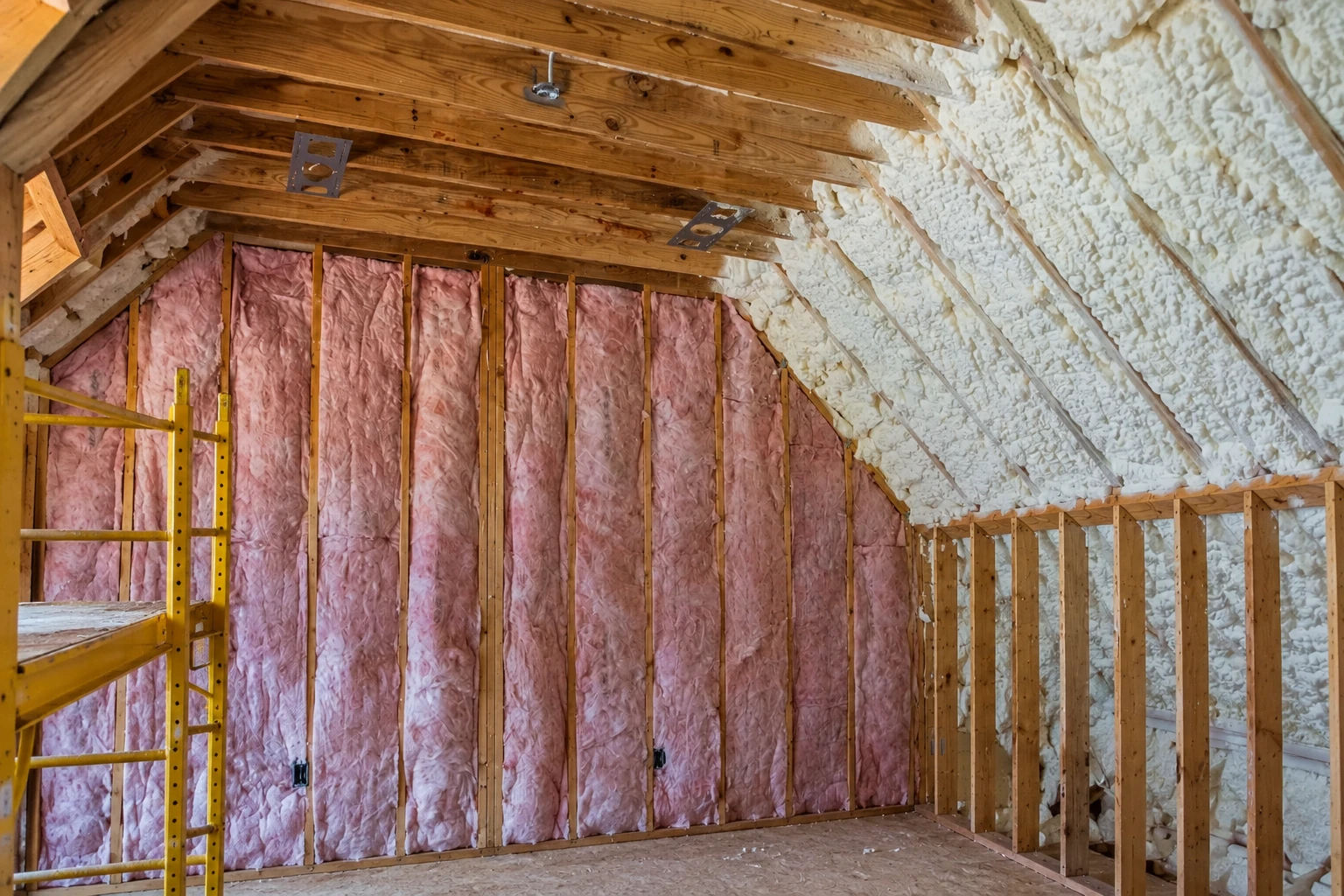
If the spot stays dry, compare our open-cell foam insulation. It's the softer, lower-cost foam, and it still seals air. For property managers, we also handle commercial insulation on the buildings they look after.
Crawl space and basement walls
This suits houses where the ground keeps the walls damp and cold, because the foam sticks to the masonry and doesn't hold water the way batts do. It's where we suggest closed-cell most often.
Framed walls, with a drying plan
This suits a wall that needs a lot of insulation in a thin space or sits where moisture gets in, once we've settled how that wall will dry. If that plan doesn't work for your wall, another kind of insulation usually fits better.
Get a written closed-cell foam estimate for your crawl space, basement or walls
We reply within 1 business day to set up a free estimate at your property, with no pressure and no obligation. If you'd rather talk it through, call (573) 289-3994.
Call (573) 289-3994Why Columbia homeowners call Heatwise Columbia Insulation Company about closed-cell foam
The owner measures every job
I come out myself to look at the spot, measure it and write the estimate, and at the end I check the crew's work with you. The person who priced your job is the same person who signs off on it.
In Columbia since 2023
I started this business here in 2023, after years selling insulation and then learning the install side under seasoned installers. That's why our estimates spell out where each material goes and why.
Licensed and insured on every job
We're licensed and insured. That matters with spray foam, because the crew is working inside your house with equipment and chemicals, and you shouldn't be the one carrying that risk.
Planning for Boone County weather
One energy code guide, written for an older code, puts Boone County in climate zone 4, so homes here go through both a real heating season and a real cooling season. The crawl spaces and basements we work in around Columbia see summer humidity and winter cold in the same year, and that's where foam that blocks moisture is worth what it costs.
With closed-cell foam, picking the right spot for it matters more than anything else. Send us a message or call, and I'll come take a look.
What happens after you call about closed-cell foam in Columbia?
Call or send a message
Call (573) 289-3994 or use the form, tell us where you're thinking about foam, and we'll set a time for me to come out. If you know about a leak or wet insulation, mention it, since that gets dealt with first.
I measure and write it up
I come out myself, measure, take photos of the crawl space, basement or walls, and note anything that has to be fixed before foam goes in. You get a written estimate that lists each area, the materials and the steps, so you can see exactly what you'd be paying for.
Check permits, plan time away
Before we schedule, we check with the building office for your address about whether a permit is needed. If one is, we apply for it and tell you what we found. We also pick a day with you when the house can be empty while the foam goes in and cures.
Seal, spray, then walk through
Our crew seals the gaps first and sprays the foam second, so the foam isn't fighting a draft. When you're back home, I walk the finished job with you and show you where everything went.
Common questions
How much does closed-cell spray foam insulation cost in Columbia, MO?
Installed closed-cell spray foam usually costs about $3 to $5 per square foot across the US. That's the national going rate, not our price. Foam is sold by the board foot, which is one square foot one inch thick, so those per-square-foot prices assume a set thickness. A spot that needs more or less foam than that gets priced differently. Your written estimate shows what we'd cover for your house.
How long do I have to stay out of the house after spray foam insulation?
Plan on at least 24 hours away. Consumer Product Safety Commission staff advise leaving the home during the install and for at least 24 hours after. An archived EPA page adds that you shouldn't come back in until the foam has finished curing and the house has been aired out and cleaned thoroughly. We go over the safety steps with you ahead of time, so you can line up a place to stay before the crew arrives.
How do I know if closed-cell foam is right for the walls in my house?
It depends on how the wall will dry. At its usual thickness, closed-cell foam stops moisture vapor from passing through, so a framed wall filled with it can't dry well to the outside. That means deciding how the wall will handle moisture before any foam goes in, not after. If the answer doesn't add up for your wall, I'll tell you, and we'll look at another way to insulate it.
Is spray foam insulation safe if someone in my house has asthma?
It may not be the right choice. The same CPSC staff say anyone with asthma, respiratory allergies or skin conditions should read the product information closely, and so should anyone who has reacted before to isocyanates, the chemicals used in spray foam. If needed, those people can consider other insulation products. Tell me about it at the estimate, and we'll go through the product details with you or price another kind of insulation.
What is the difference between closed-cell and open-cell spray foam?
Closed-cell is the denser, rigid foam. It's hard to compress, and its R-value, a measure of how well insulation slows heat, is about R-6 per inch. At typical thickness it blocks moisture vapor and won't absorb water. It costs more to install than open-cell for the same area, because it expands less and takes more material to fill the same space.
Does closed-cell spray foam need to be covered inside a house?
It often does. One maker's installation guide says foam on interior walls or ceilings may be a fire risk unless an approved thermal or ignition barrier, a protective covering over the foam, is in place. The same guide says to always follow local building codes. Your estimate will show any spot where foam would be left exposed and what we plan to put over it.
Find out if closed-cell foam fits your house
Call (573) 289-3994, use the form or email team@columbiainsulationcompany.com. If you have the rough size of the area, any asthma or allergies at home and a few dates you could be away ready, the first conversation gets us most of the way.