
Basement insulation in Columbia MO - a warmer basement with water problems handled first
Cold floors and a chilly basement? We check for water and cracks first, then insulate the walls or ceiling to fit how you use it.
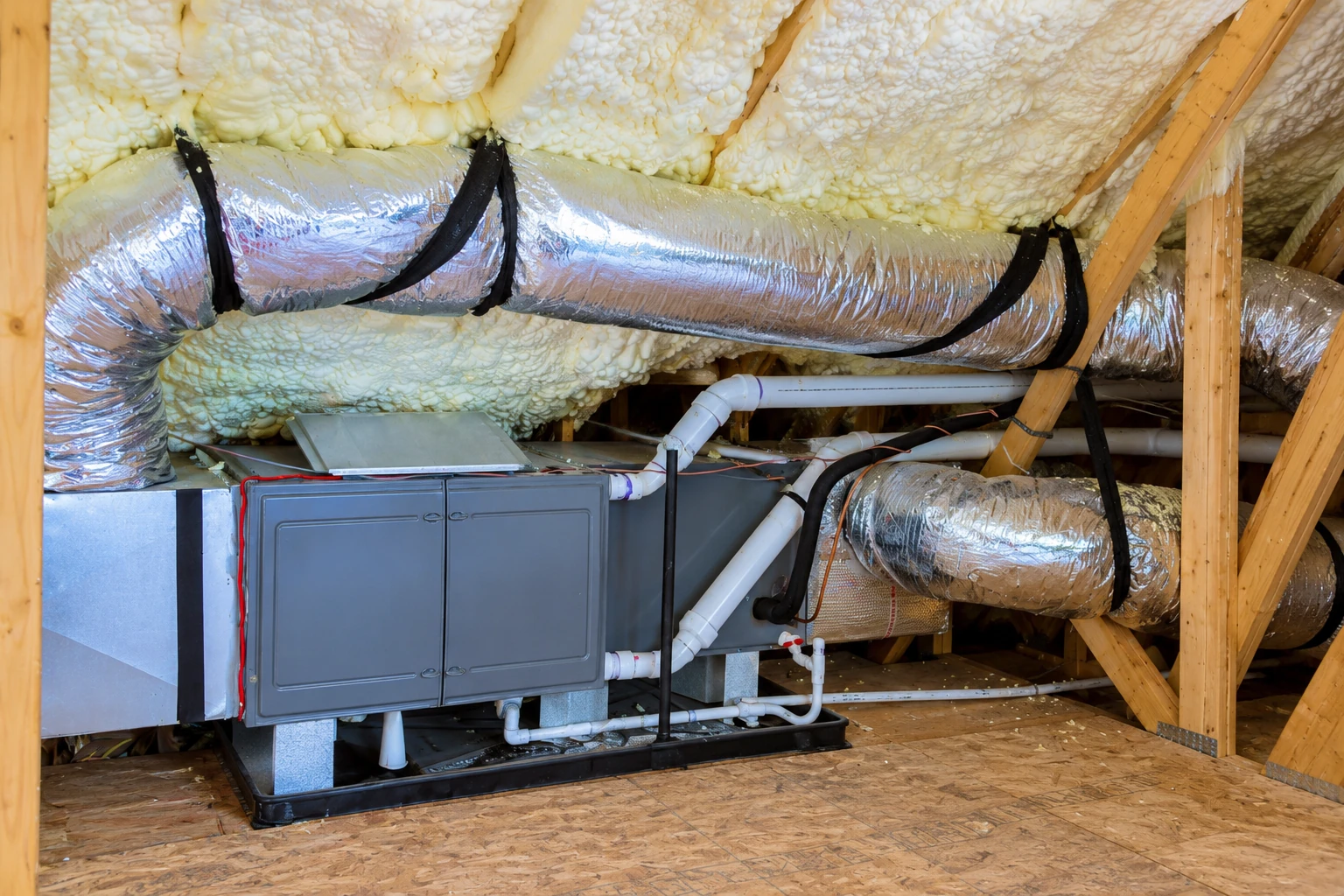
- Licensed and insured.
- Free estimates at your property.
- We reply within 1 business day.
Does your Columbia basement need insulation, and what will it take?
Basement insulation in Columbia, MO puts a layer of insulation on the foundation walls or under the floor above, so the heat your furnace makes stays in the house instead of soaking into the concrete and the ground around it.
Most basement calls I get start with cold floors in the rooms above, or with a basement you'd like to use that's too chilly or smells damp. The price mostly comes down to how many square feet of wall or ceiling we're covering, which material goes on, and anything I find that has to be fixed first, like water coming in or a crack in the foundation. Those same fixes set the schedule, because we don't start insulating until they're done. Your written estimate lists each area, the material and the steps, so you see your own figure before any work starts.
How can you tell your basement is losing heat?
Cold floors upstairs
The rooms over the basement feel cold underfoot in winter, even with the heat turned up. Usually the bare foundation walls and the gaps along the top of them are pulling heat out, and every winter you wait, you're paying to warm the dirt around your house.
Damp walls or a musty smell
Dark patches on the concrete, a white chalky crust or a musty smell after rain usually mean water is getting through the foundation. That has to be sorted out before any insulation goes on, and the longer it runs, the more it soaks into whatever you've got stored down there.
Old batts sagging overhead
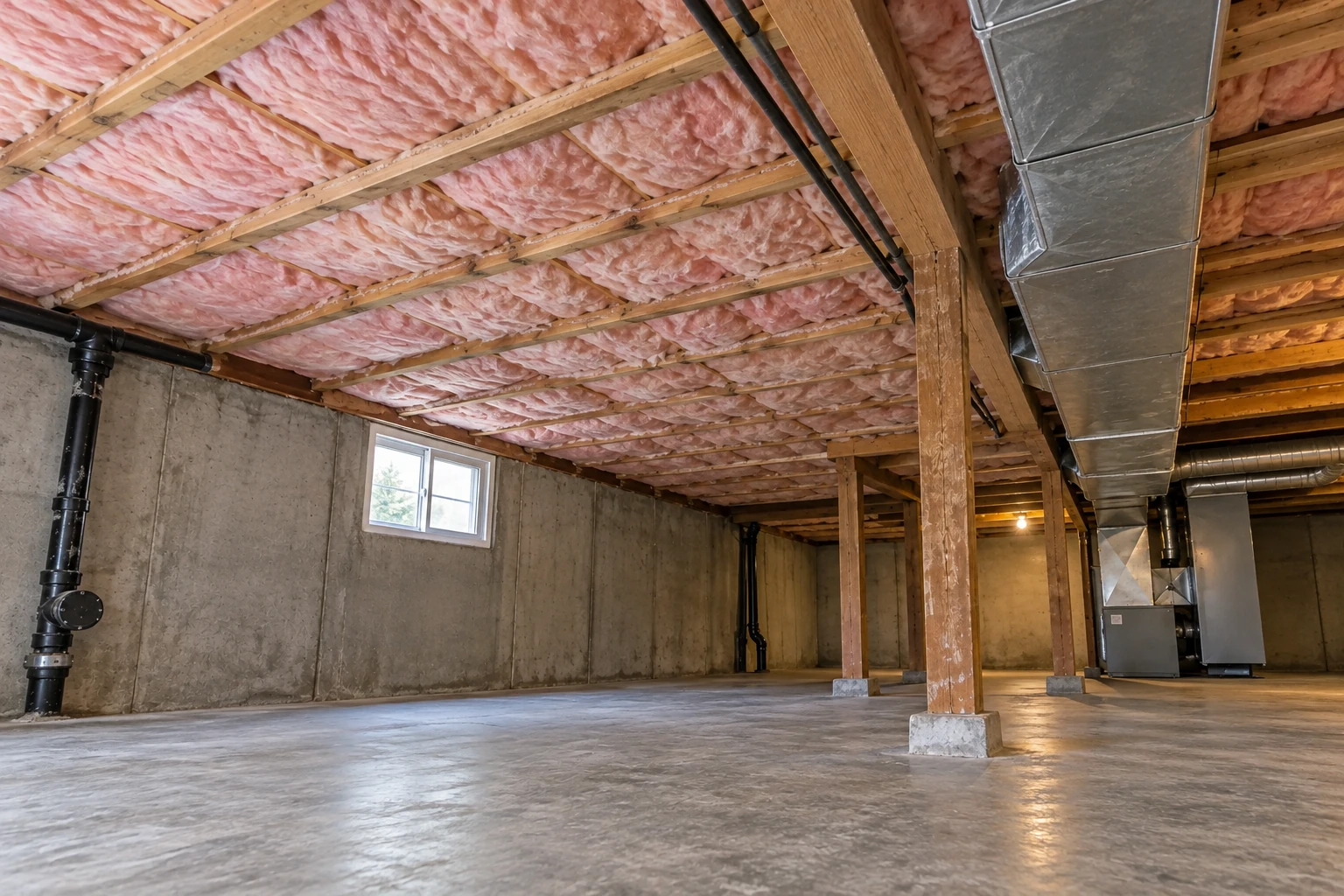
If there's fiberglass between the joists above you and it's sagging, falling out or stained, it isn't doing much to keep the floors upstairs warm. Stains usually mean water reached it at some point, and I'd want to find out where it came from before anything new goes up.
Spray foam options for basements
Closed-cell foam insulation
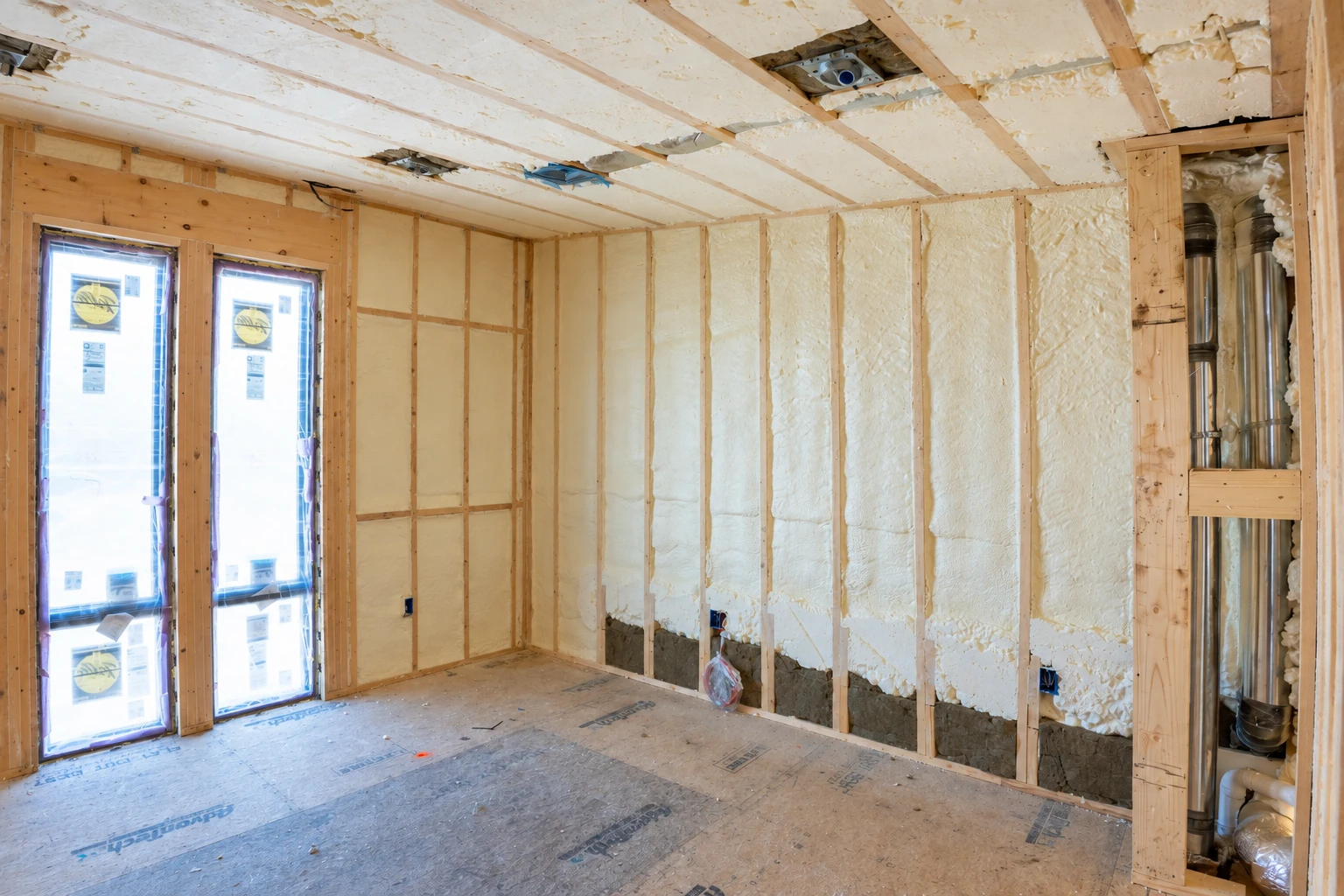
If your foundation walls run cool and a little damp, this dense foam goes right on the concrete and keeps moisture off while it insulates.
Open-cell foam insulation
A softer, lower-cost spray foam that's worth asking about when budget matters and the basement stays dry.
How we handle basement insulation
I start every basement by looking for water coming in and cracks in the foundation, because I won't put insulation over a problem you'd pay to uncover later. Then I ask whether you live down there or plan to, since that decides whether we insulate the walls or the ceiling. On the job, our crew seals the gaps first, starting with the rim joist, the wood band where the house sits on the foundation, because cold air leaking in there works against whatever insulation goes on next. The insulation goes on after that, in the areas and amounts your estimate lists.
On walls, I usually lean toward closed-cell foam insulation, a dense foam that stands up to basement damp, even though it costs more than the alternatives. Open-cell foam insulation is lighter and less expensive, and at the estimate I'll show you where it fits your basement and where it doesn't.
Walls, for a basement you use
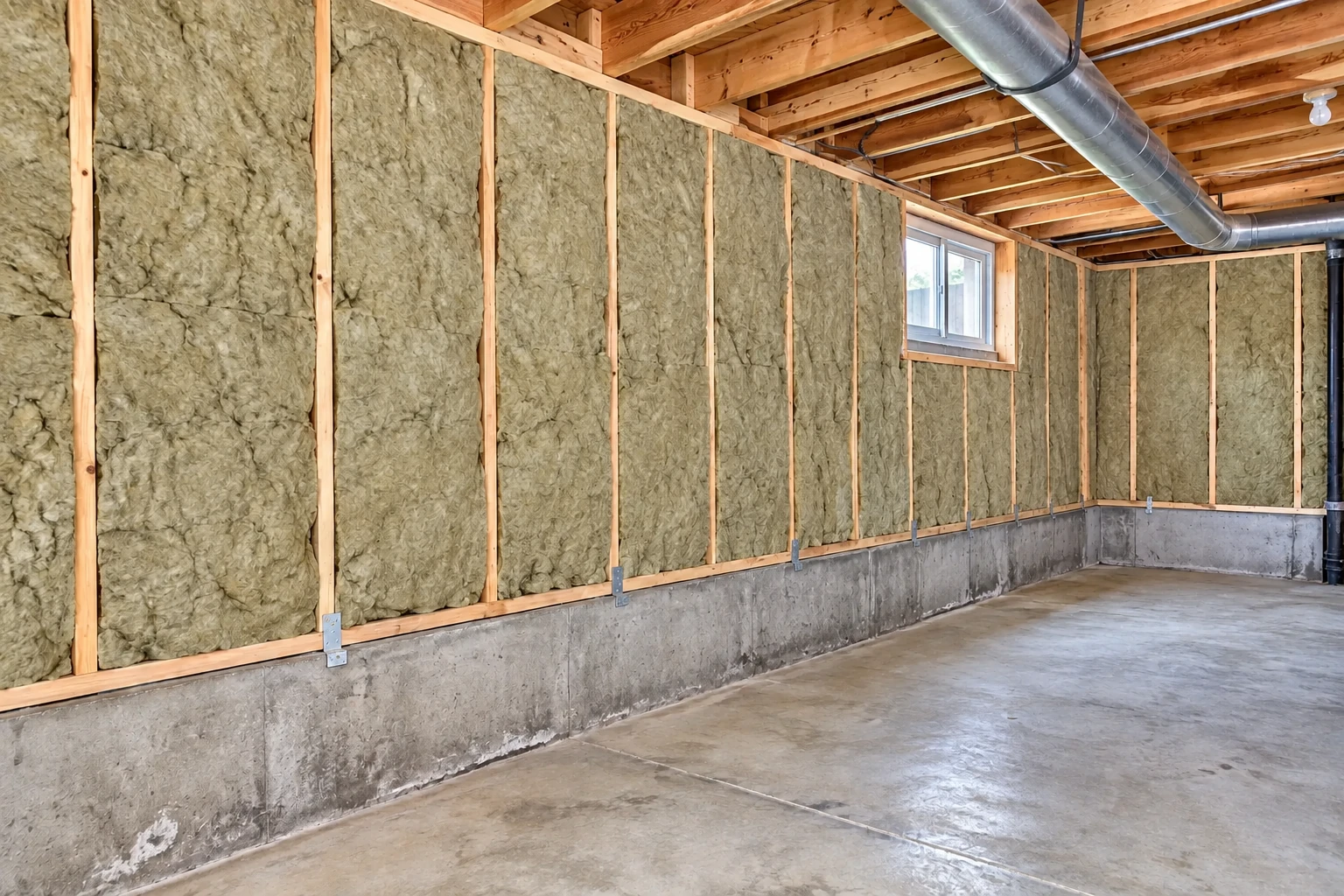
If you have a family room, an office or plans to finish the space, we insulate the foundation walls so the basement itself stays warm along with the floors above. This is the right call for most houses where people spend time downstairs.
Ceiling, for a basement you don't use
If it's dry, unfinished storage you never heat, insulating between the joists overhead keeps the cold down there and away from the rooms above. The catch is that the basement gets colder, so pipes or a water heater down there are a reason to pick the walls instead.
Get a written basement insulation estimate
Send the form and we'll reply within one business day to set up a free on-site visit, with no obligation. Prefer to talk? Call (573) 289-3994.
Call (573) 289-3994Why Columbia homeowners call Heatwise Columbia Insulation Company about their basements
I come out and quote it
I come to your basement myself to look things over and write the estimate, and our install crew does the work. You're dealing with the person who knows exactly what's in your quote.
Estimates that show what goes where
Each estimate lists the areas, the materials and the steps we plan, so you can see which walls get foam and where the sealing goes. If a crack or a leak needs fixing first, it says so on the page.
Licensed and insured for basement work
We're licensed and insured. That matters in a basement, where our crew works around your wiring, plumbing and furnace.
Started in Columbia in 2023
I sold insulation jobs for another company before I learned the install side under seasoned installers, then started this business in Columbia in 2023. That's why I can walk you through every step of your job, not just the price.
If your house is in Columbia or one of the cities around it, send us a note with what you've seen down there, water and cracks especially, since those come first.
What happens after you call about your basement
Call or send the form
Call (573) 289-3994 any day from 6 AM to 11 PM, or send the form. We'll set a time for me to come see the basement.
I measure and look first
I measure the walls and the rim, take photos, and check for water coming in and cracks in the foundation. Anything that has to be fixed before insulation goes in gets written down.
You get a written estimate
It lists each area, the material and the steps, so you can see exactly what the price covers. Before we schedule work, we check with the building office for your address about whether a permit is needed, and if one is, we apply for it and tell you what we found.
Sealing, insulation, then a walk-through
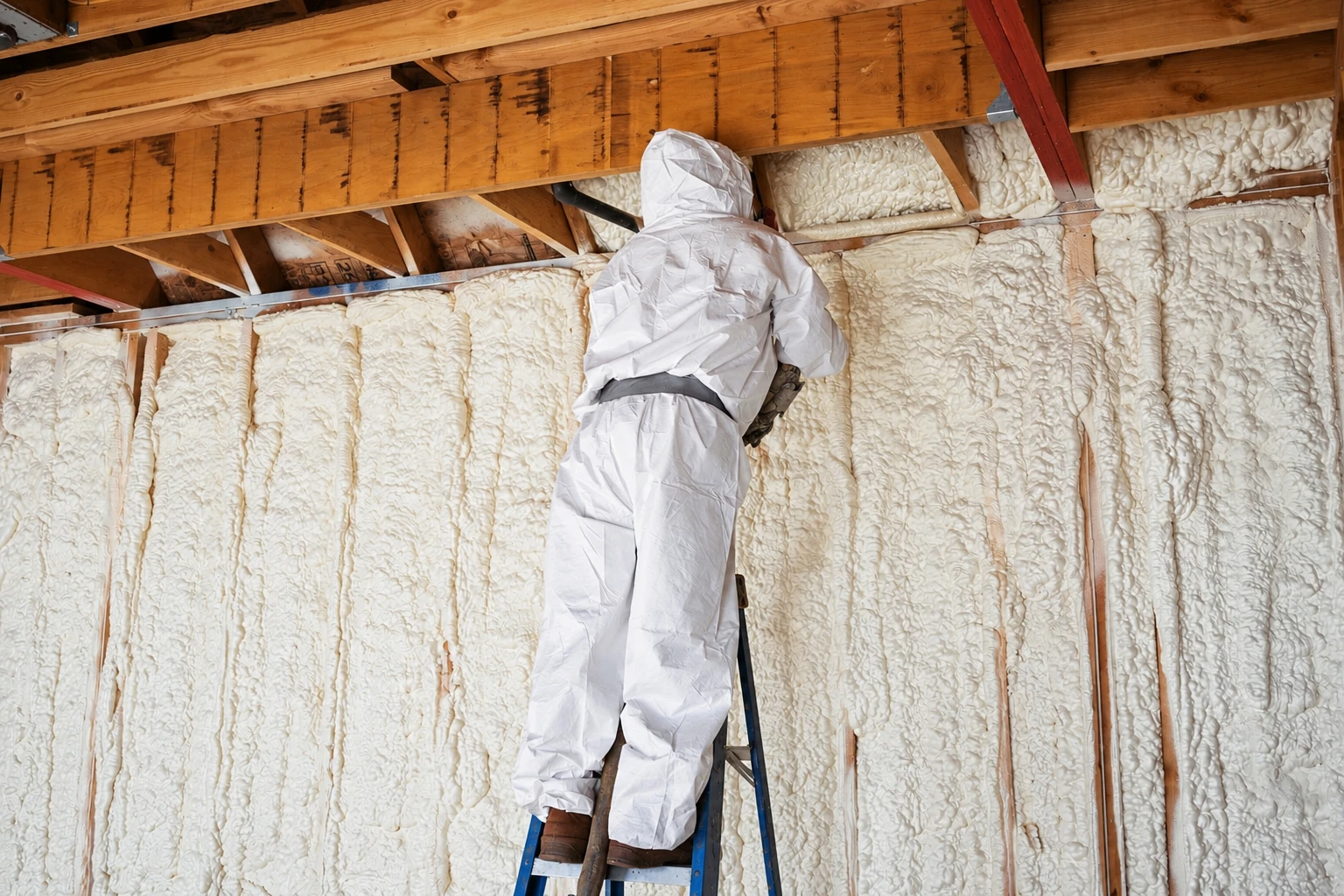
Our crew seals the gaps first and insulates second, and with spray foam you'll stay out of the basement until the re-entry time, the wait the foam maker sets before you go back in, has passed. Then I walk the finished job with you and show you where each material went.
Common questions
Is basement insulation worth it for a house in Columbia, MO?
Usually, yes, because basements can account for 10% to 30% of a home's total heat loss. If the rooms over yours have cold floors in winter, the basement is a likely place that heat is going.
Should I insulate the basement walls or the ceiling?
The walls, in most houses. Federal energy guidance calls wall insulation the better choice and limits ceiling insulation to homes in a dry climate where the basement won't be used as living space. If you use your basement or plan to, that points to the walls.
How do I know what to fix before insulating my basement?
Start with water coming in and cracks in the foundation. Insulating over a moisture problem can hide it, and sometimes it traps water and makes things worse, and insulation over a foundation with structural problems can hide or worsen those too. I'd rather tell you a crack needs repair first than cover it up.
What is the best way to insulate basement walls?
Closed-cell spray foam gives the best moisture control of anything used on the inside of foundation walls. Open-cell foam has to go on thicker to block vapor, and either kind has to be covered with drywall or a fire-resistant paint called an ignition barrier. Spray foam industry guidance says foam on the inside of a foundation isn't a water barrier, so where water is getting in, the foam goes over a drainage layer.
How much does basement insulation cost?
Across the US, insulating a basement usually costs about $4.40 to $6.40 per square foot. That's a national starting range, not our price, and your figure depends on the square footage, the material and any repairs that come first. Your written estimate gives you your own number.
Should I test for radon before finishing my basement in Missouri?
Yes, the state advises Missouri homeowners to test their radon level, and the Missouri Department of Health and Senior Services offers residents a free test kit, one per household. The state advises taking action to lower it when the result is above 4.0 pCi/L, so it's an easy test to run while you plan the basement work.
Get your basement insulation estimate started
Call (573) 289-3994 or send the form with your basement's rough size in square feet and any signs of water coming in, so I come out knowing what to look for.