
Blown-in insulation in Columbia MO - an attic sealed first, then filled to the edges
Hot upstairs rooms or a drafty older house usually trace back to a thin attic. We seal the gaps, then blow in an even layer.
- Licensed and insured.
- Free estimates at your property.
- We reply within 1 business day.
Is your attic ready for blown-in insulation?
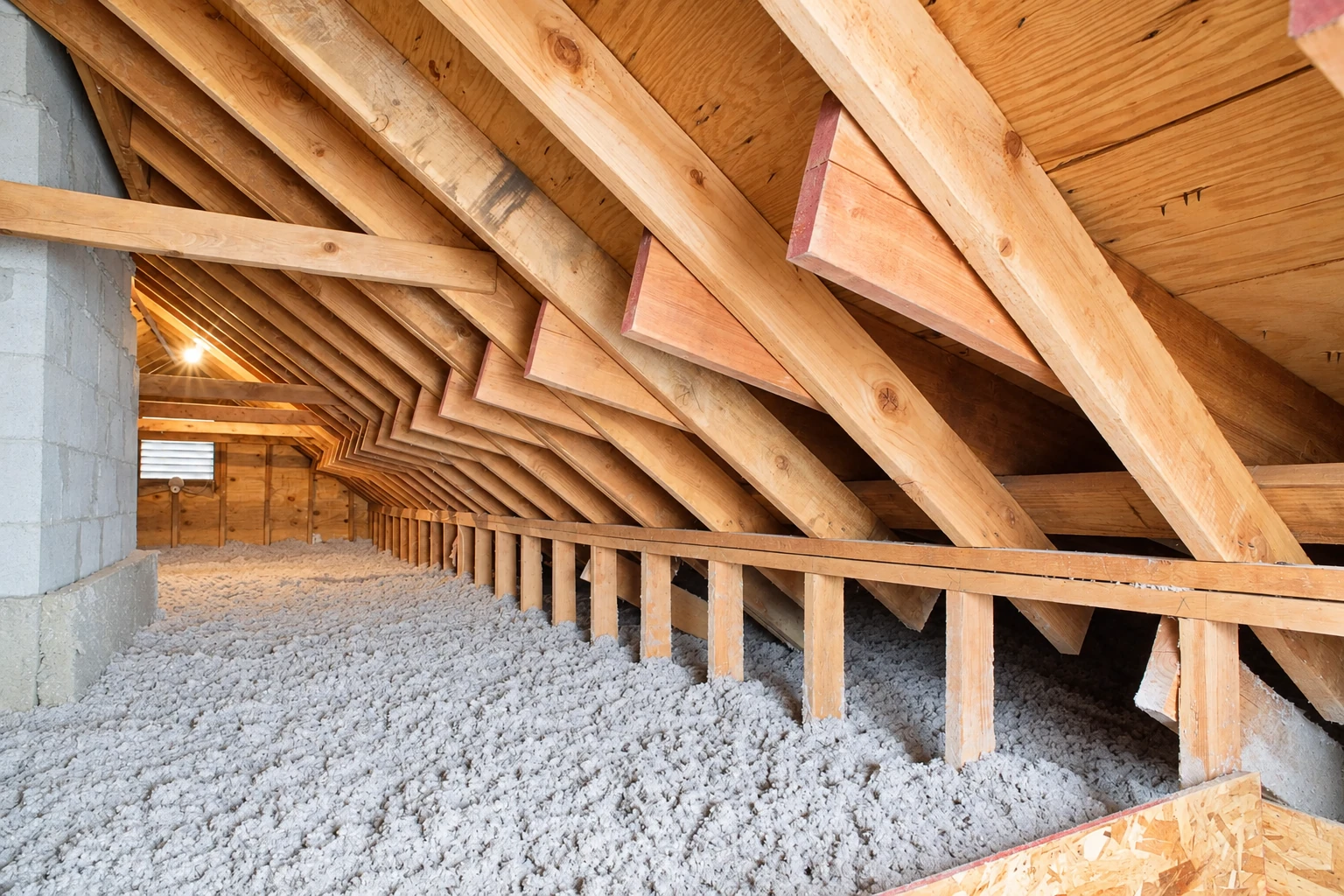
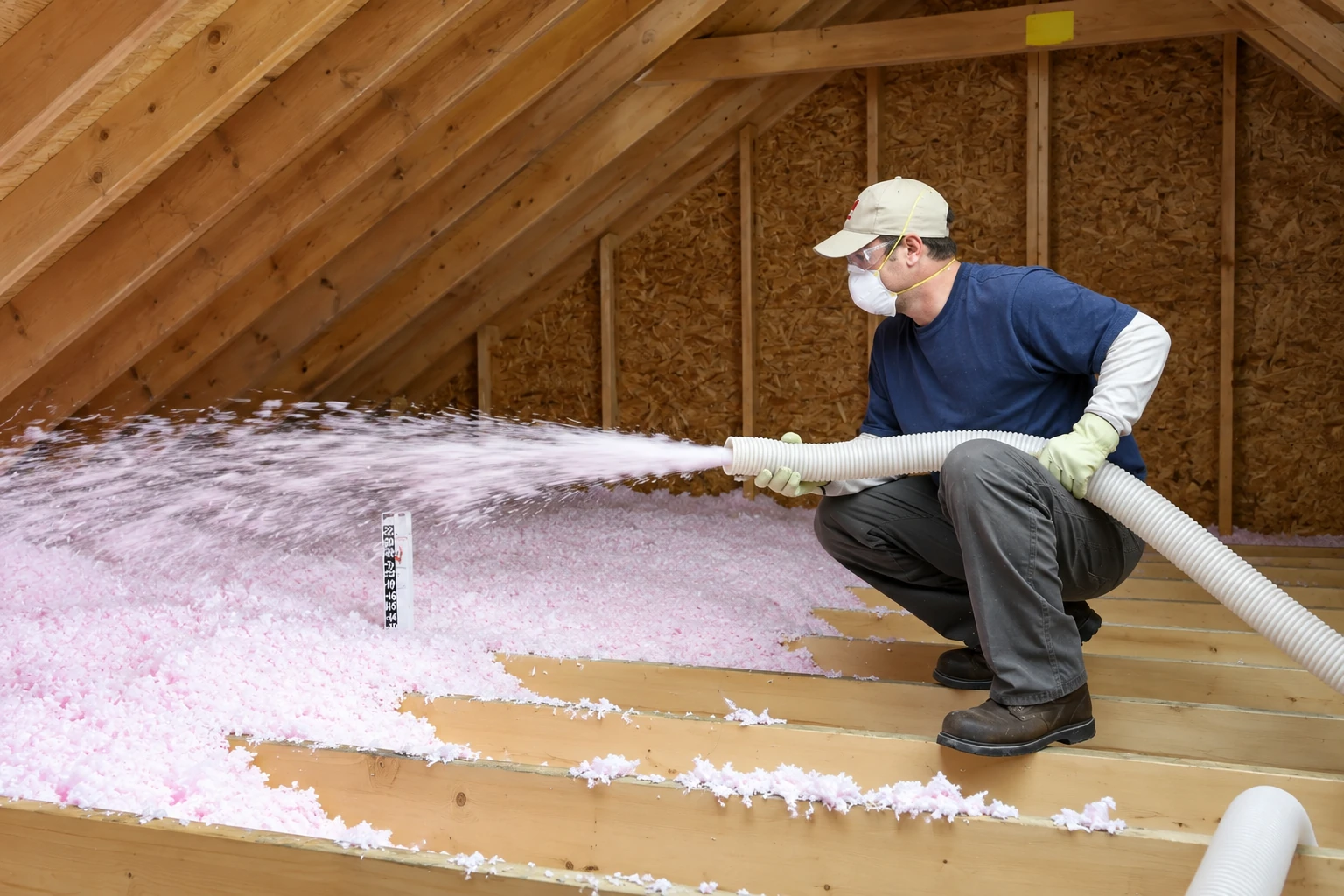
Blown-in insulation is loose cellulose or fiberglass blown through a hose onto your attic floor. At Heatwise Columbia Insulation Company, we use it to bring thin attics in Columbia, MO up to a full, even layer so the rooms underneath stop running hot in summer and cold in winter.
A lot of older houses around Columbia have only a few inches up there, or close to nothing, and you feel it most in the rooms right under that ceiling. The price moves with the square footage of the attic floor, how much is already there, how many gaps need sealing, and whether old, wet or dirty material has to come out first, which is when insulation removal comes in. The schedule mostly turns on what has to happen before we blow anything, like a roof repair, an electrician's visit or a lab test, and your written estimate lays out each of those in order so you can see what's driving your number.
How can you tell your attic needs more insulation?
Upstairs runs hot in summer
The bedrooms under the attic stay warm well into the evening while the rest of the house feels fine, and the air conditioner never quite catches up. That usually means a thin or uneven layer overhead, and every summer you wait shows up on the power bill.
Joists showing through the hatch
If you pop the attic hatch and can see the tops of the ceiling joists, there are only a few inches up there, which is common in older houses. Heat from your rooms slips straight up through that in winter, so the furnace runs longer and the upstairs feels drafty.
Stains, droppings or a musty smell
Brown rings on a ceiling, matted wet insulation or droppings near the hatch usually point to a roof leak or animals, and that has to be dealt with before anything new goes in. Left alone, the damage spreads into the framing, and an insulation job turns into a carpentry job.
Work that often goes with it
Home insulation
For houses where the cold floors and drafts go past the attic and into the walls or crawl space.
Insulation removal
For attics where the old layer is soaked, moldy or full of droppings and has to be cleared out before new fill goes down.
How we install blown-in insulation
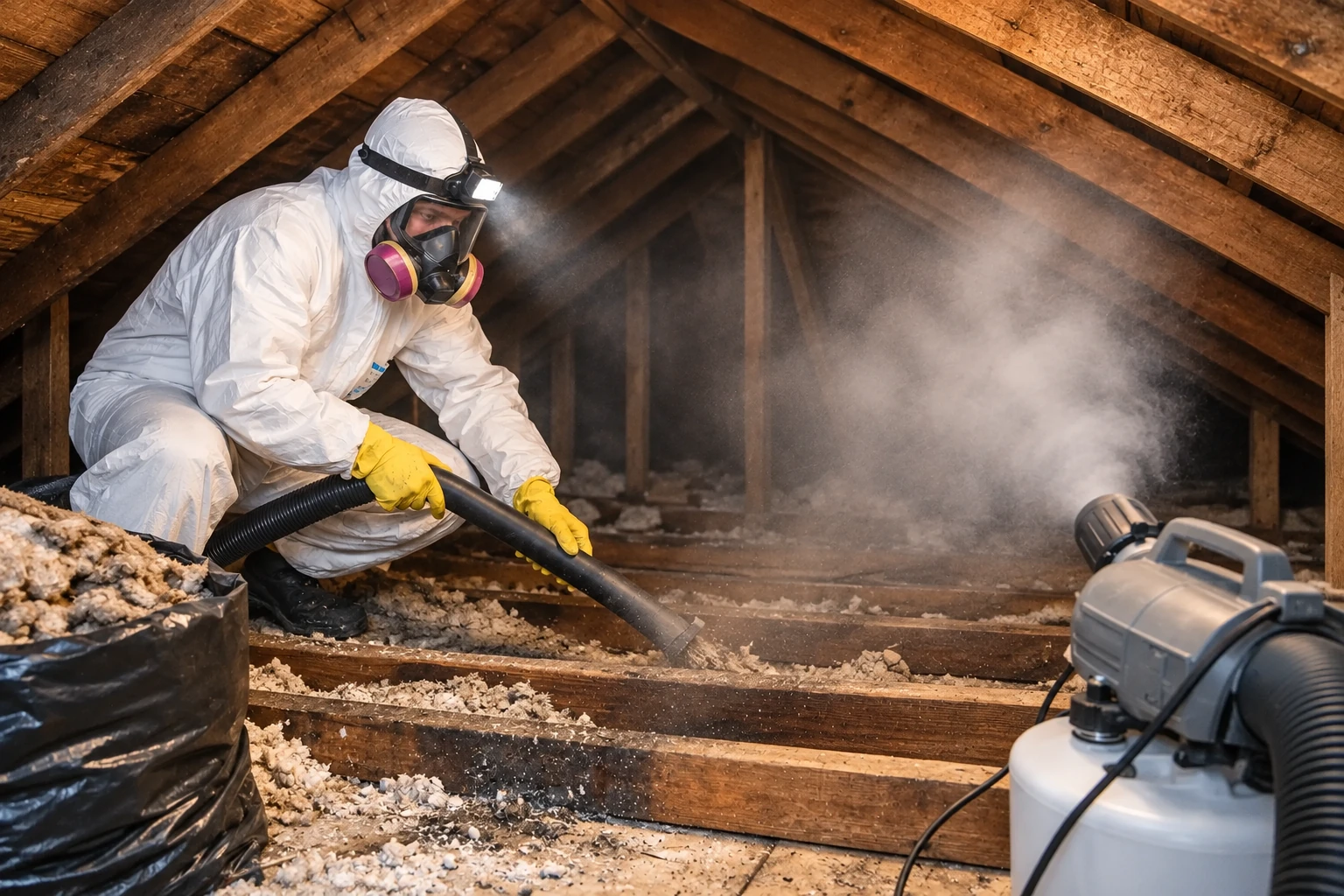
Our crew starts with air sealing, closing the gaps around can lights, pipes, wires and the attic hatch, because insulation sitting over an open gap just fights a draft all year. Next we set baffles at the eaves, stiff channels that hold the insulation back from the soffit vents, so outside air keeps moving through the attic and moisture doesn't build up in the framing. Then we blow in the cellulose or fiberglass dense enough that it won't settle into holes and bare spots later. Once we're done, we check the depth across the whole attic floor so the coverage reaches the edges of the ceiling where it meets the walls, since deep in the middle and thin at the edges is the most common miss in attics I'm asked to look at.
When the attic is only part of the problem, our home insulation work looks at the walls and crawl space too, so you're not fixing one room at a time. If the old fill is wet, moldy or full of droppings, we do insulation removal first, because new material on top of a bad layer keeps the problem right where it was.
Cellulose loose fill
Its makers' association describes it as recycled paper and cardboard treated with boric acid, which slows fire and keeps insects away. It packs in tightly around joists and the odd corners of older attics, which is why a lot of homeowners pick it.
Fiberglass loose fill
Fiberglass fill is lighter than cellulose and doesn't hold water the way paper can. It's a good fit when you'd rather keep the weight down on an older ceiling.
Spray foam instead of loose fill
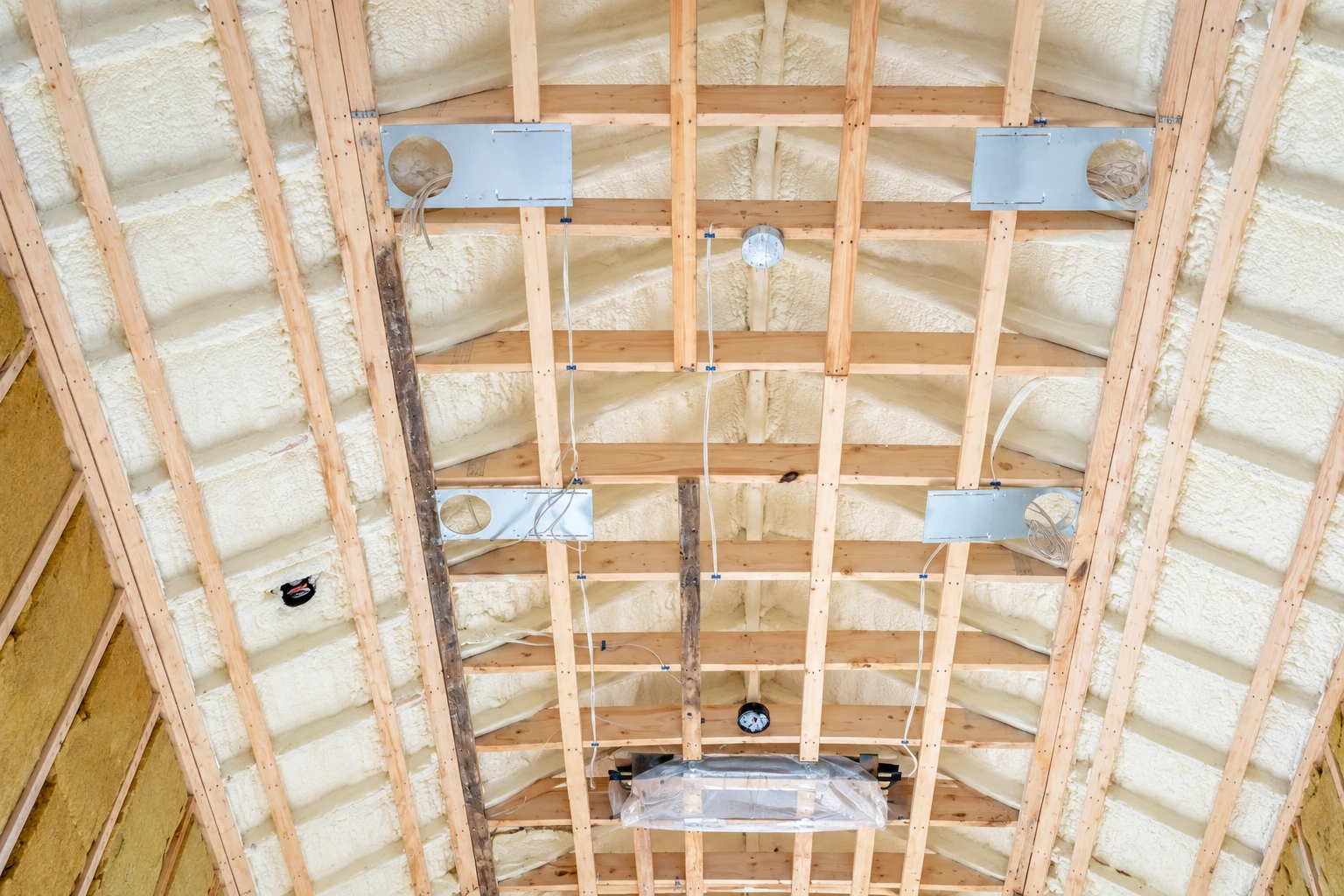
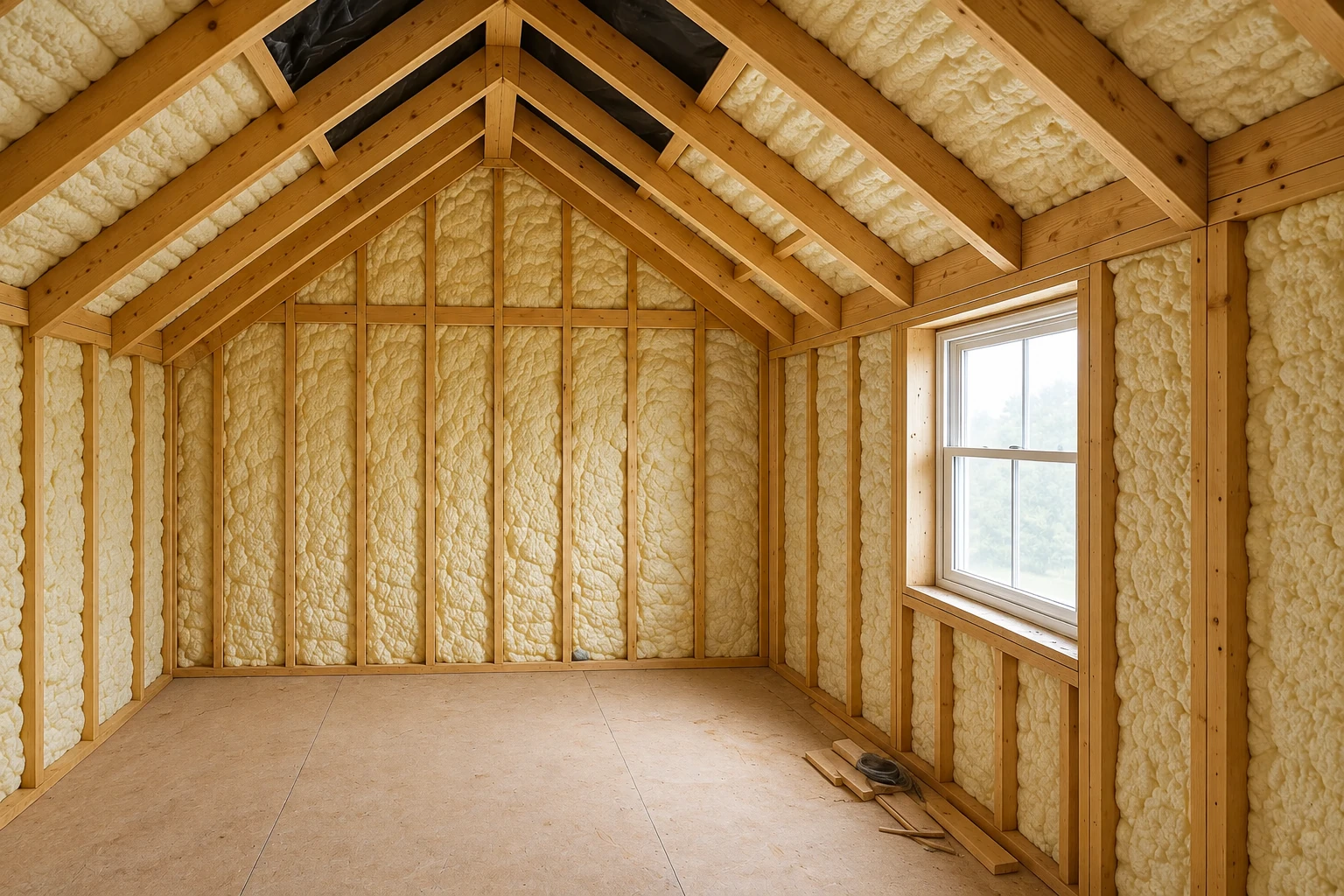
Foam costs more and seals air while it insulates, so it mostly earns its price when your ductwork runs through the attic. Without ducts up there, sealing the gaps and topping up with loose fill usually gets you more for the money.
Get a written blown-in insulation estimate for your attic
We reply within 1 business day to set up a free estimate at your property, with no pressure and no obligation. Rather talk it through first? Call (573) 289-3994.
Call (573) 289-3994Why Columbia homeowners call us about their attics
I measure it, I check it
I come out myself to measure and write the estimate, our install crew does the work, and at the end I go through the finished attic with you. The person who wrote down what goes where is the one who checks that it went there.
Started in Columbia in 2023
I spent my first years in this trade selling insulation for another company, got tired of quoting jobs I couldn't explain, learned the install side and started this business in Columbia in 2023. We work from here out to Jefferson City, Fulton, Moberly, Boonville and the cities around them.
Licensed and insured up there
We're licensed and insured. That matters on an attic job, because our crew is kneeling on your ceiling joists next to your wiring and light fixtures all day.
If you're not sure your attic is ready for new insulation, that's exactly what the estimate visit is for, so send us a request and I'll come take a look.
What happens after you call about blown-in insulation?
Call or send a message
Call (573) 289-3994 or use the form, and we'll set a time for me to come out. If you've seen ceiling stains or a roof leak, mention it so I look at that spot first.
I measure and photograph
I measure the attic floor, check how many inches are up there, take photos and note anything that has to be fixed before insulation goes in. You get a written estimate listing the areas, materials and steps, so you can see what the price covers before you decide anything.
Seal, insulate, then walk through
If you go ahead, our crew seals the gaps first and blows in the insulation second. Then I walk the finished job with you and show you where each material went.
Common questions
How do I get my attic ready for blown-in insulation?
Get a leaky roof, moldy or rotted framing, any vent that dumps moist air into the attic, and poor attic ventilation fixed before any insulation goes in. New fill over those problems just hides them while they keep doing damage. I'd rather tell you the roof needs work first than bury a leak, so anything like that goes on your estimate as a step before ours.
Can blown-in insulation go over my old insulation?
Yes, new loose fill can go right on top of existing fiberglass batts or blankets, as long as the old layer is dry and clean. It takes a blowing machine, and some home improvement stores rent one, but getting an even depth out to the edges without burying the eave vents is where do-it-yourself jobs usually fall short.
How much does blown-in insulation cost per square foot in Columbia, MO?
Installing blown-in attic insulation across the US usually costs about $4 to $7.50 per square foot, and that's a national figure, not our price. Your written estimate shows how it works out for your attic once the sealing and any repairs are counted. Columbia's city utility has run a Home Performance with ENERGY STAR program, and in 2022 it offered rebates up to $1,200 and loans up to $15,000, so ask Columbia Water & Light about current terms before you start.
Who handles building inspections for insulation work in Columbia?
Homes inside Columbia city limits go through the City of Columbia's office, and homes outside the city limits go through the Boone County Inspections Division. Before we schedule work, we check with the building office for your address about whether a permit is needed, and if one is, we apply for it and let you know what we found.
How do I tell if my attic has vermiculite insulation?
Vermiculite looks like lightweight, pea-size, flaky gray pebbles, often poured between the joists in older houses. ENERGY STAR advises leaving it undisturbed until an approved lab tests it for asbestos. If I spot it at the estimate visit, we plan the job around that test before anything else in the attic gets touched.
Can you blow insulation over knob and tube wiring in an older house?
Not until the wiring has been dealt with, because knob and tube wiring, found in houses built before 1930, can be a fire hazard where it touches insulation. ENERGY STAR recommends having a professional correct it before insulating. If I see it on the estimate visit, I'll note it as work for an electrician before our crew blows anything in.
Get your attic measured and written up
When you call (573) 289-3994 or send the form, tell us your house's age, where the attic hatch is, what insulation is up there now and any signs of a roof leak, so I know what to look at first.